Visits by appointment
Global shipping
Get our newsletter
Here 5 stars for our visitors! You will find the good reviews about our shop here, but they can be found online overall. We really appreciate the opportunity to drive it. What a celebration, so that every day is filled with positive reports and pleasant meetings. The convenience online and in the store makes it particularly pleasant for us as a team to do so. We fully enjoy the shop and are confident that this will always be possible thanks to the sellers who will give us the opportunity to purchase the items we have available. Thanks everyone!
Google reviews |
<!---->

Google | 4.9

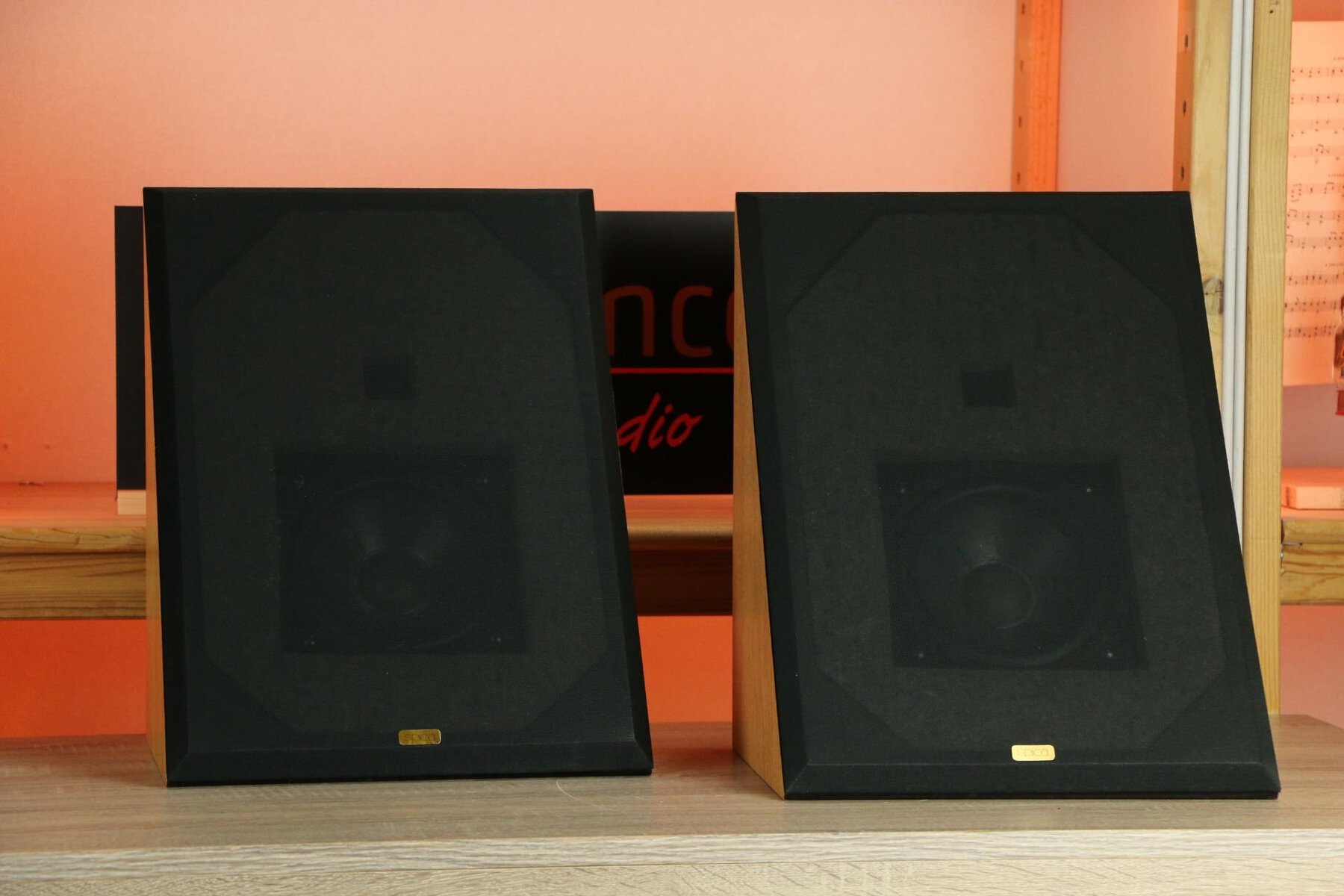
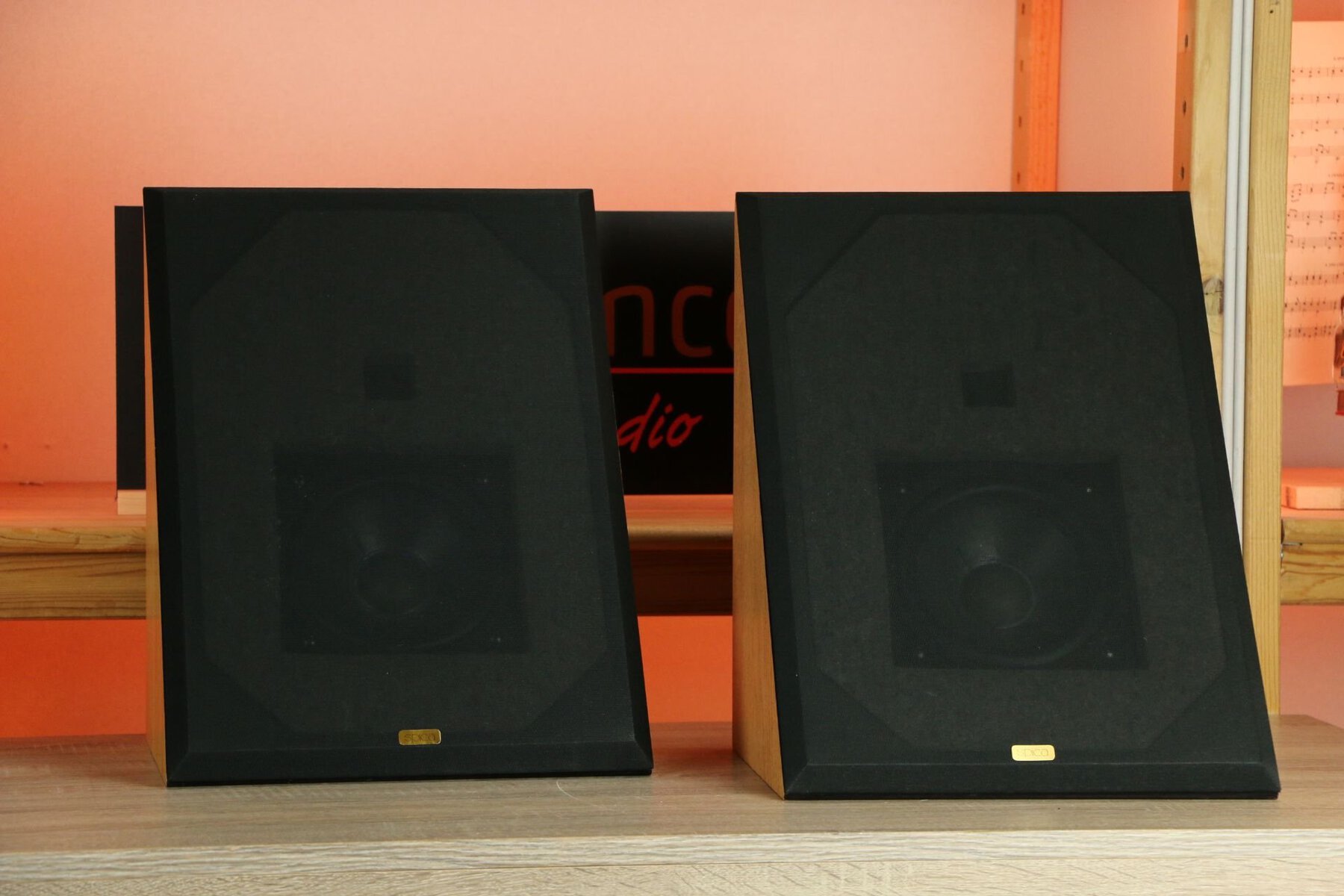
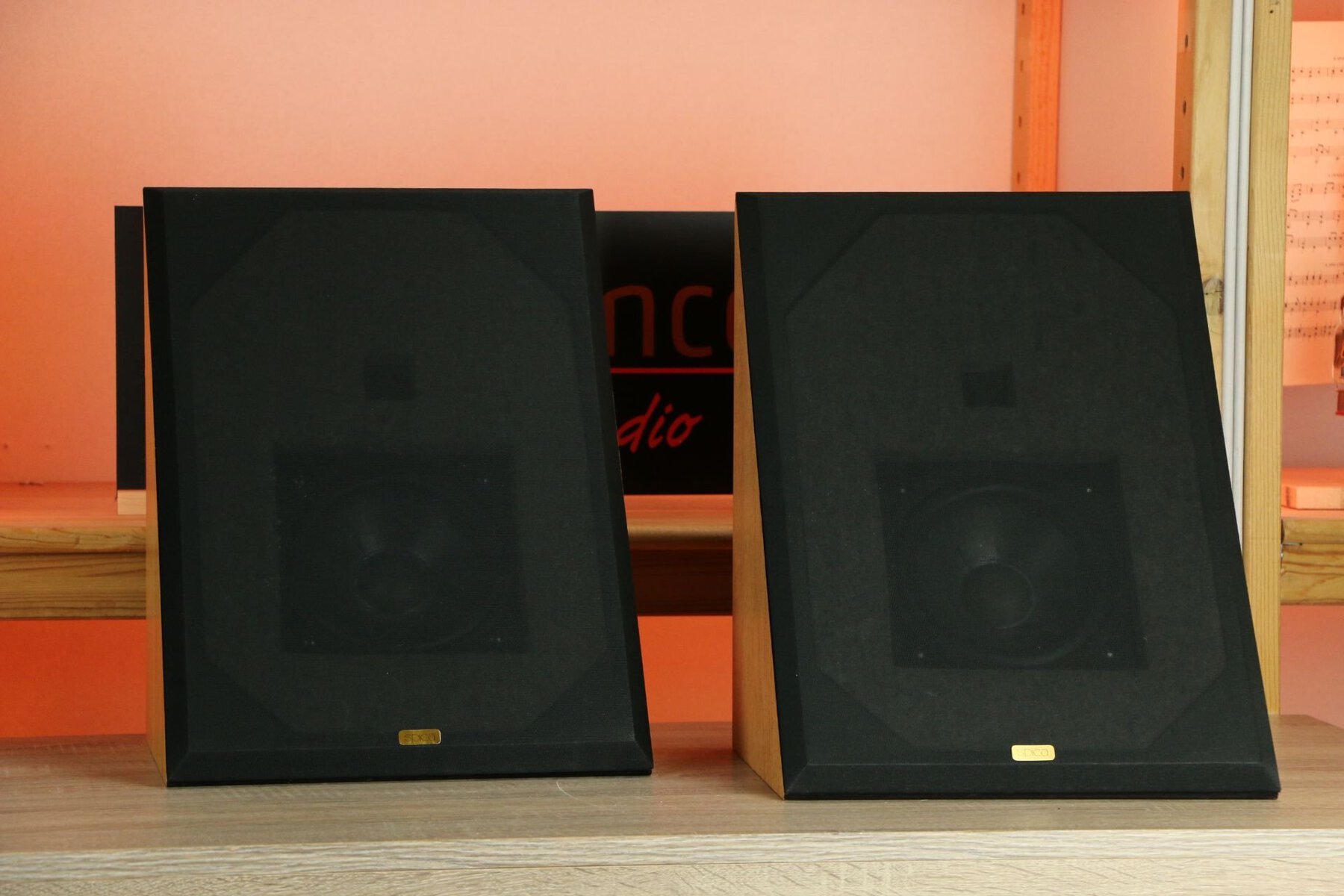
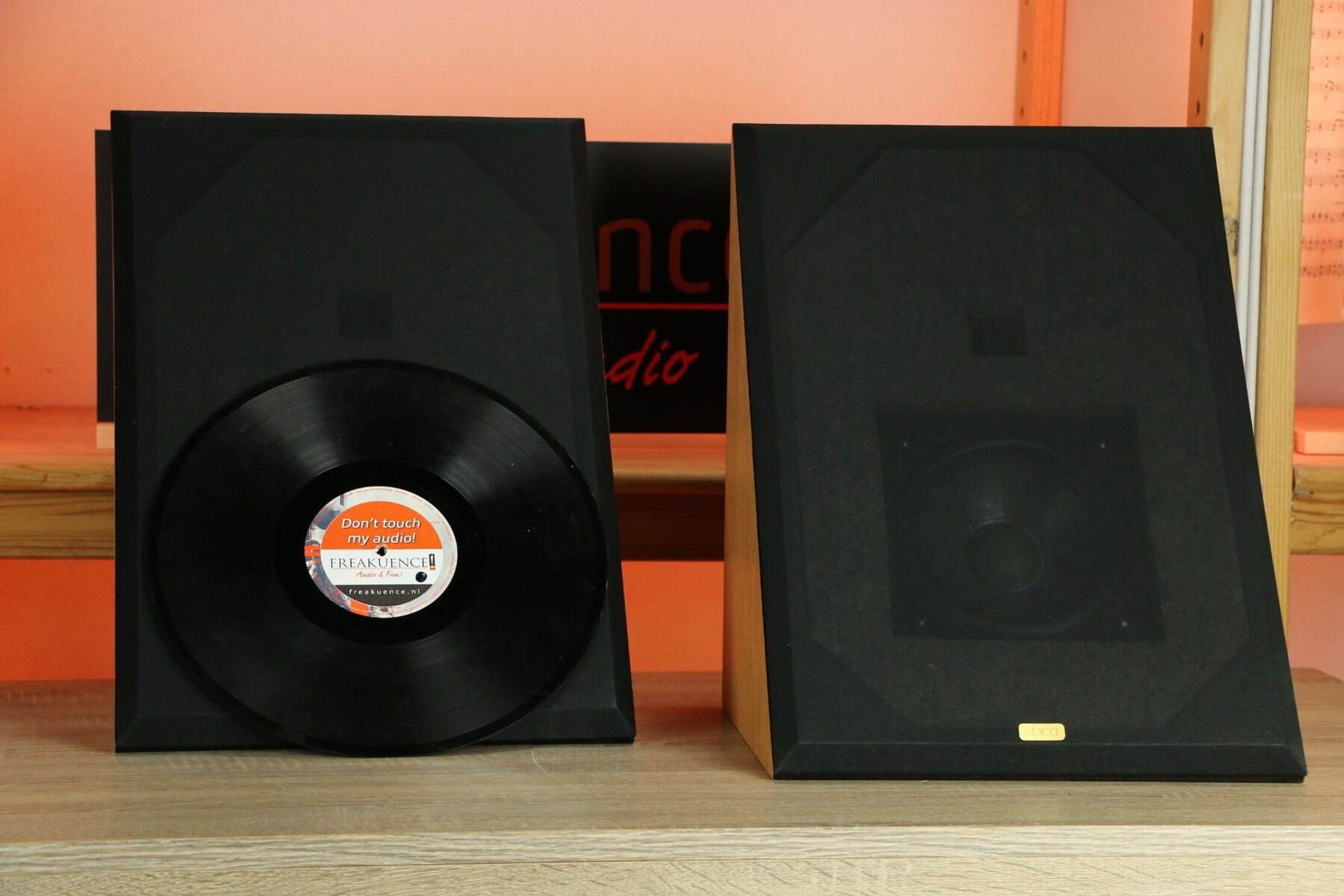
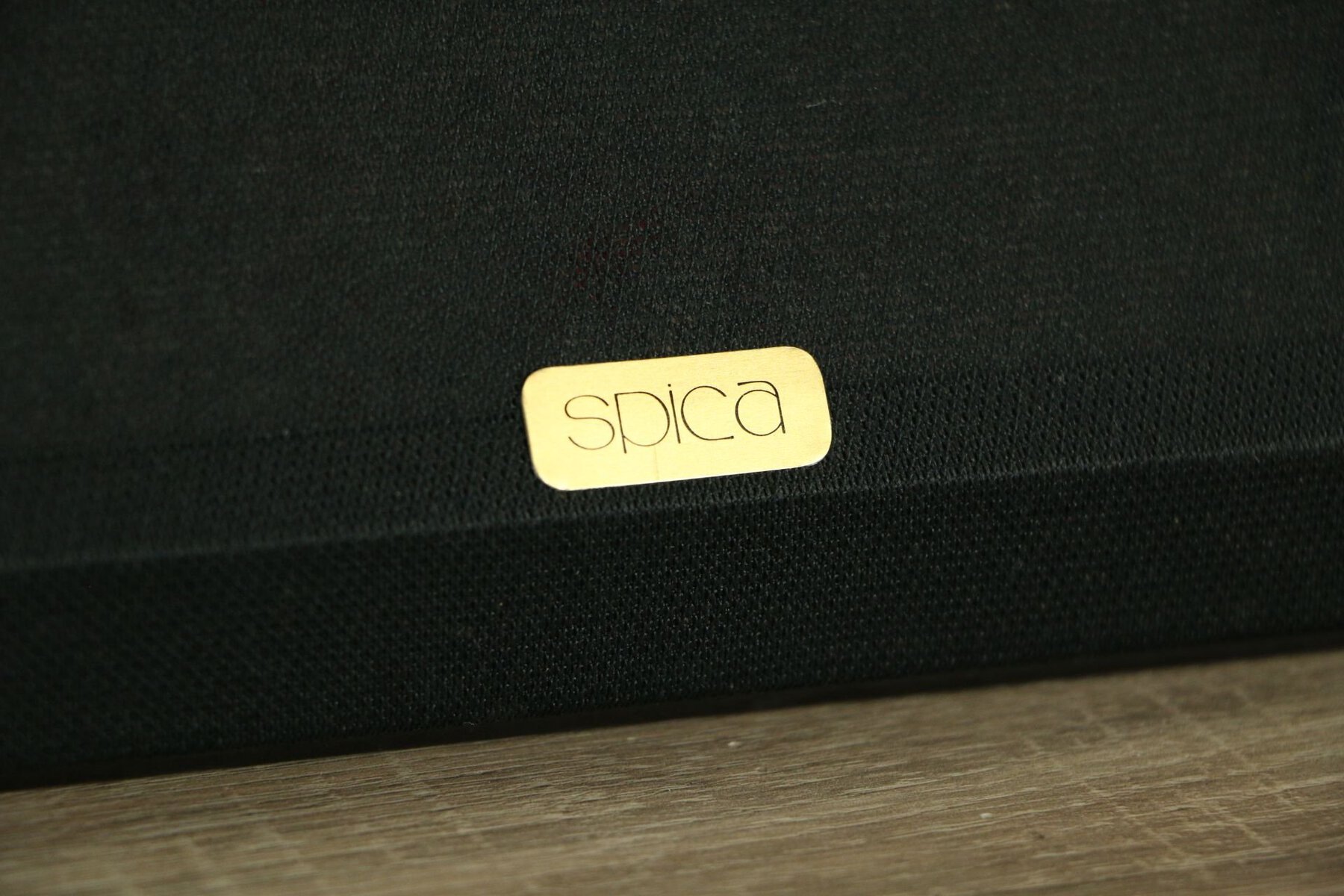
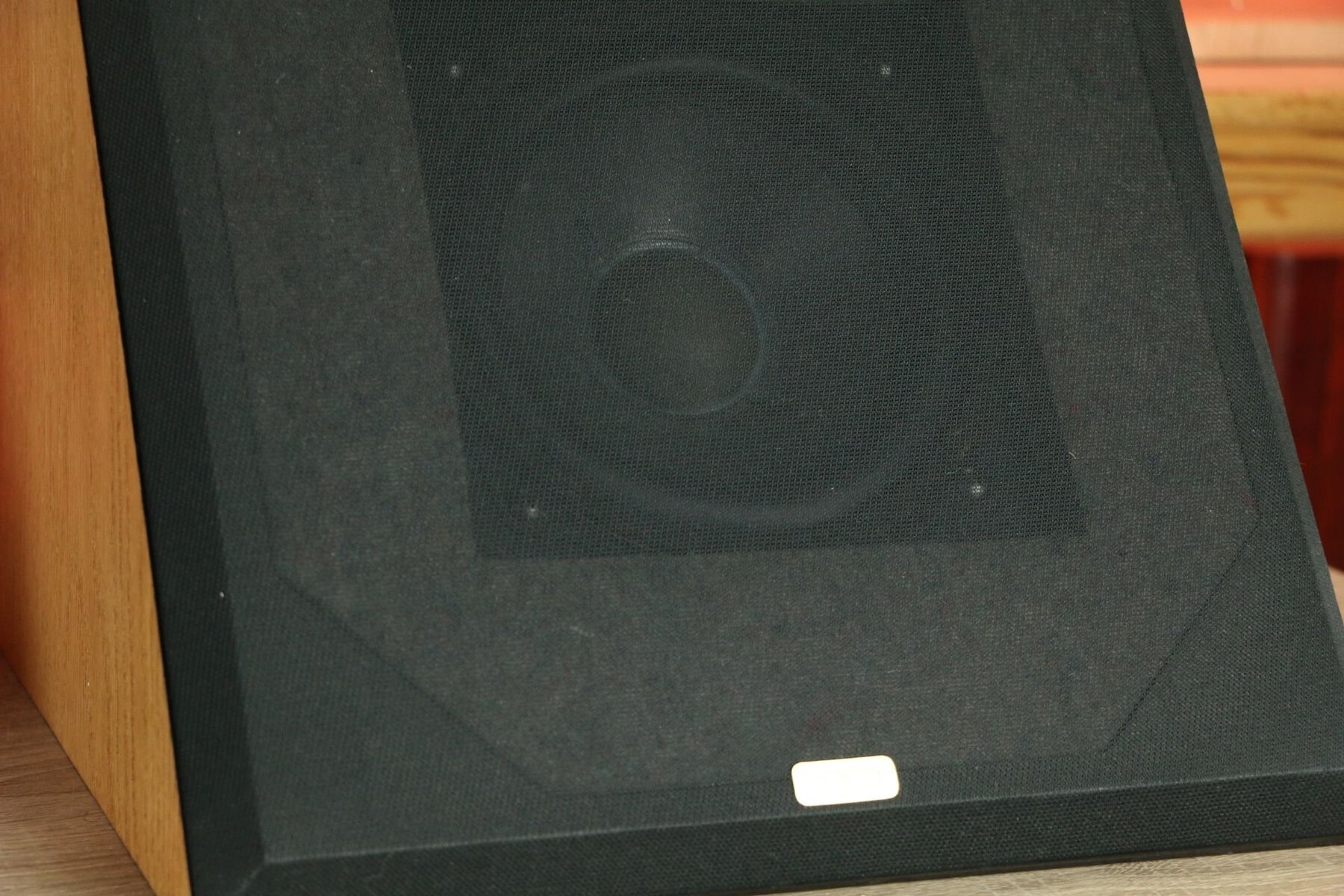
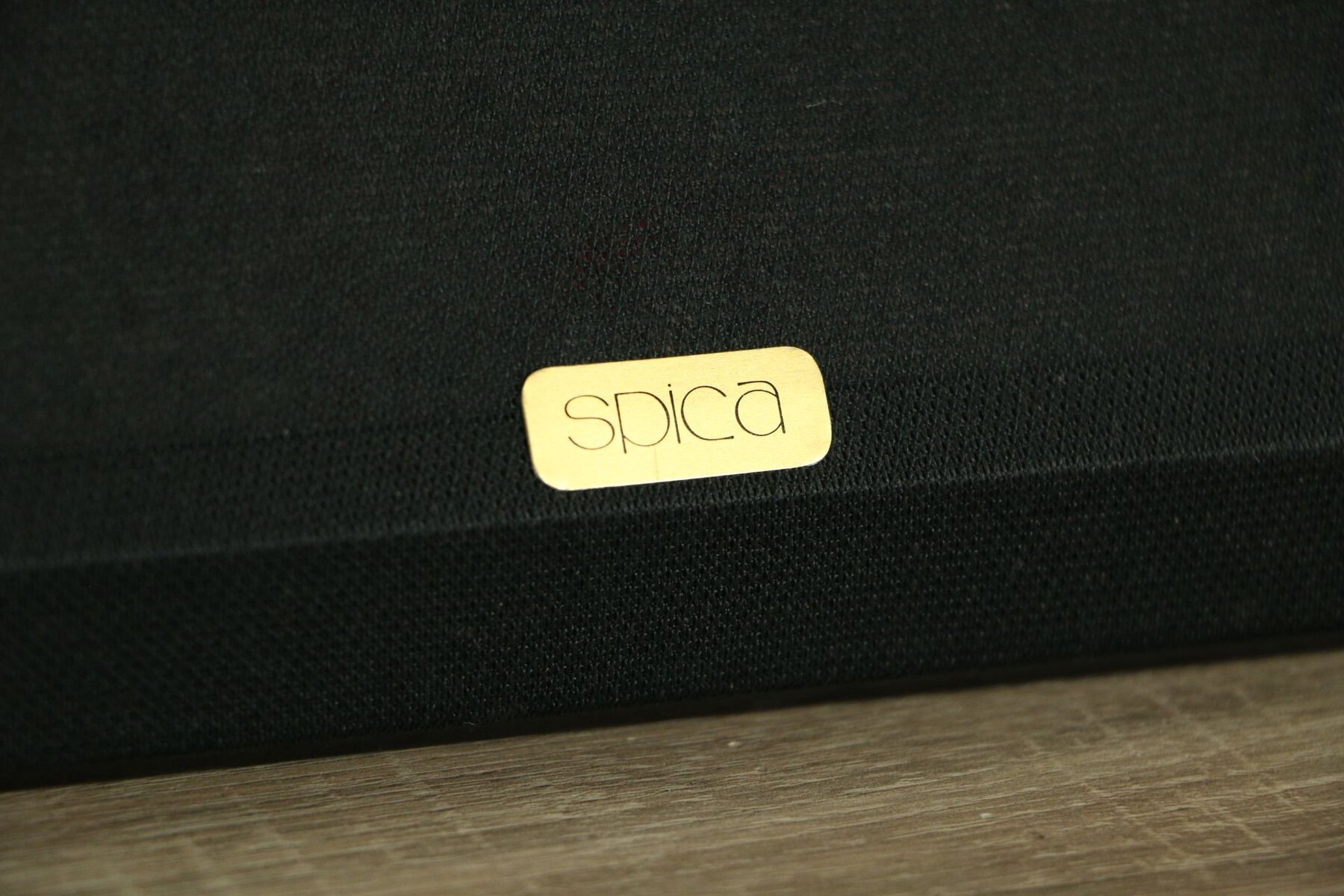
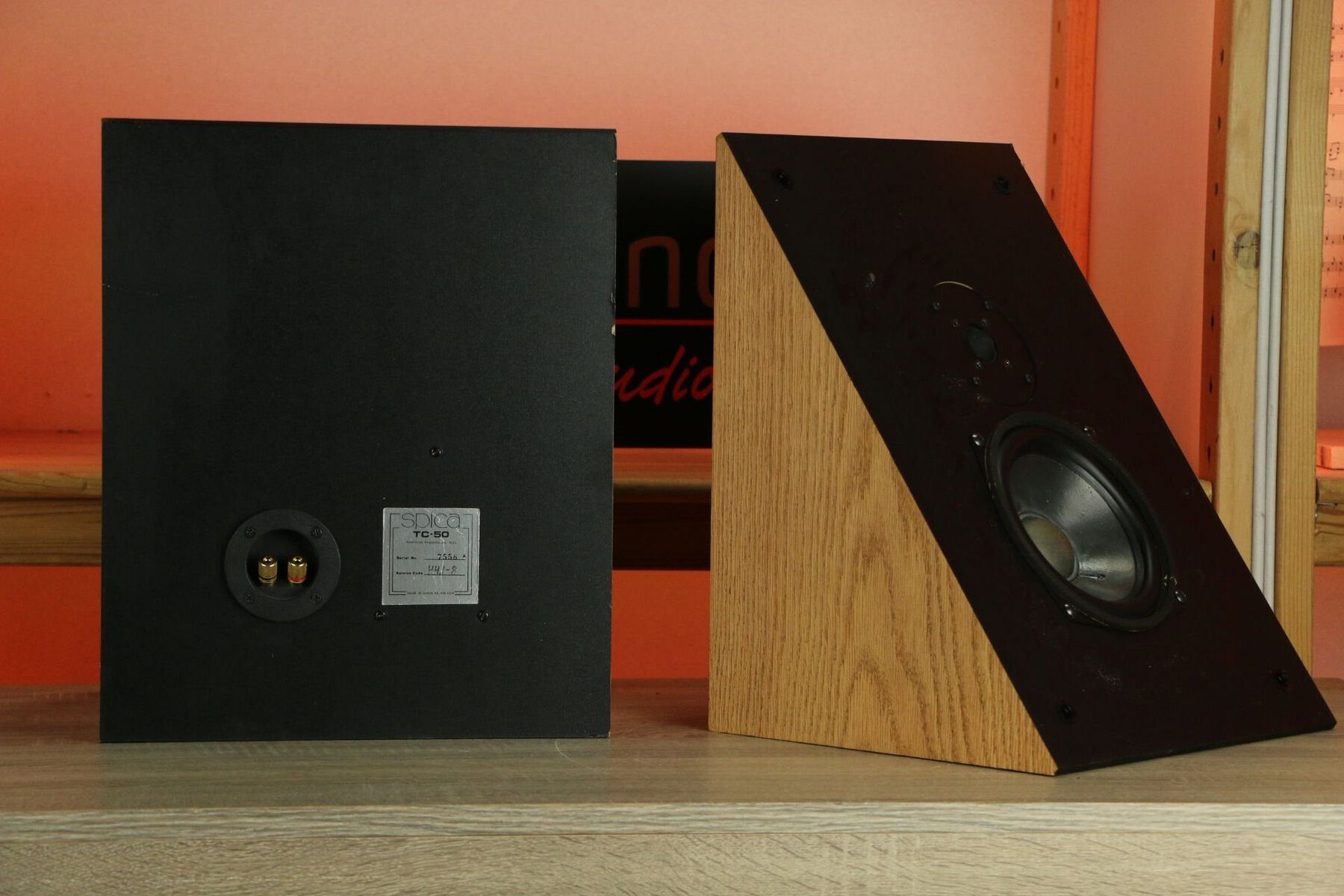
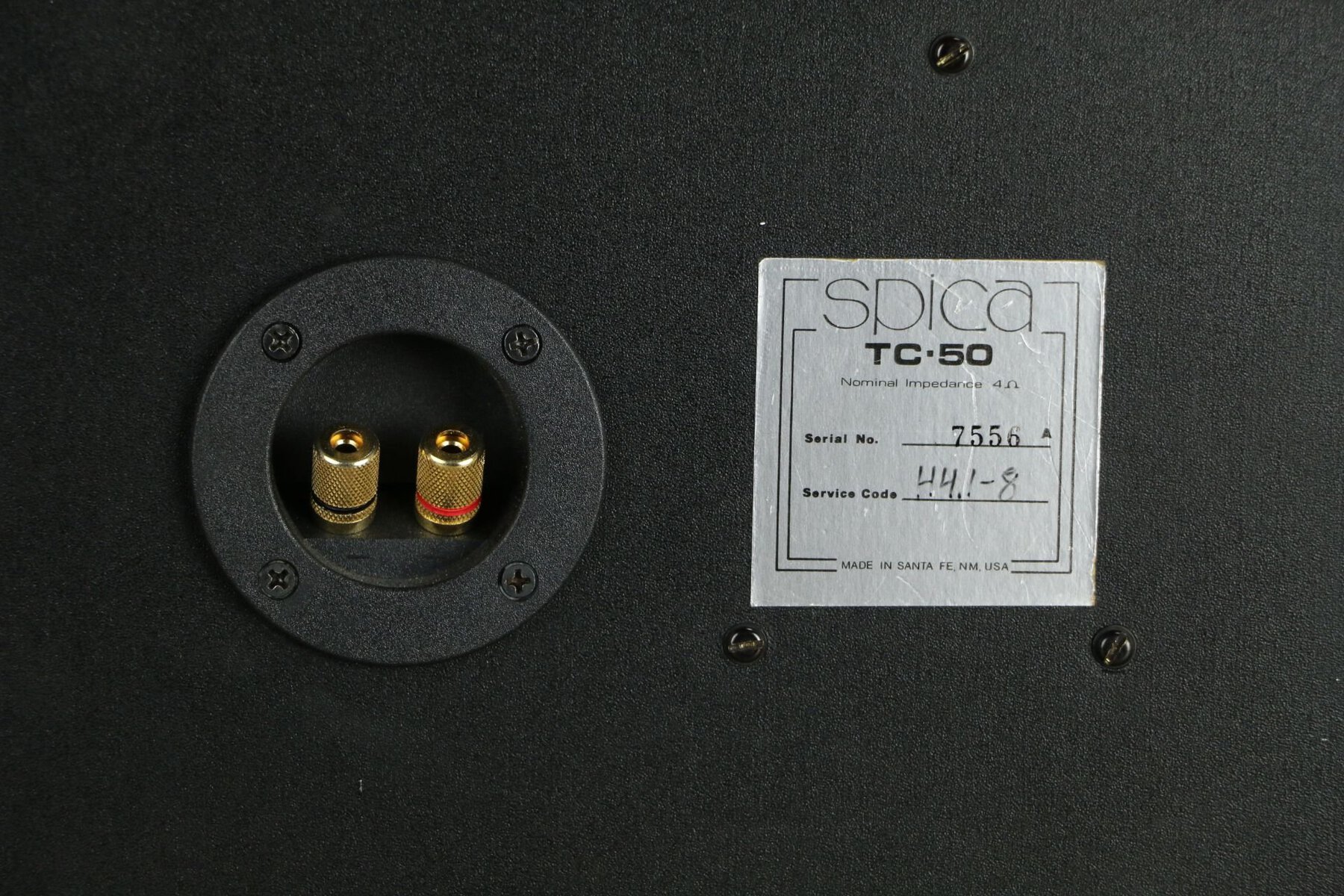
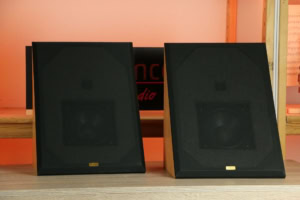
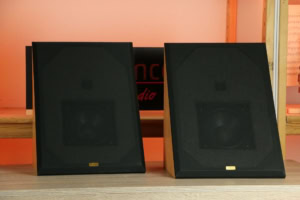
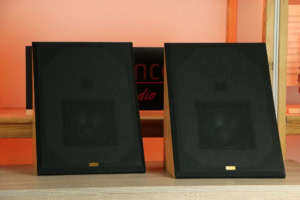
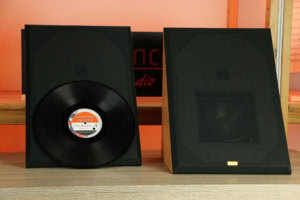
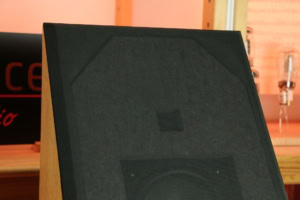
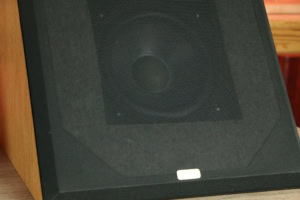
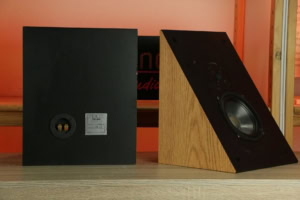
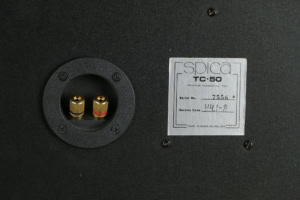
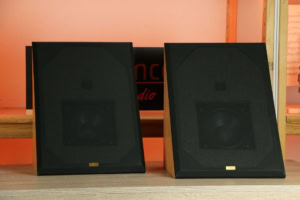
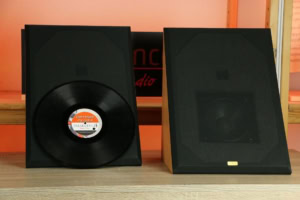
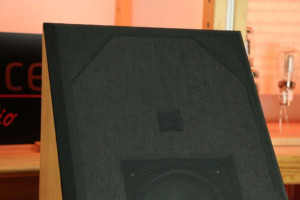
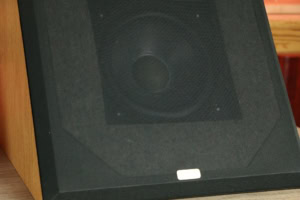
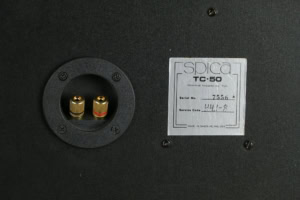
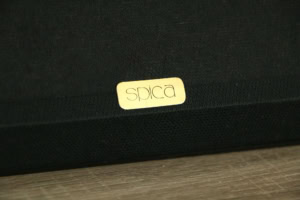
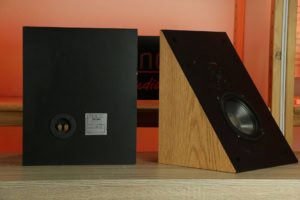
Spica TC-50

Do you have something nice to trade in?

There is no VAT in the amount. This is a so-called tax margin product. So there is no VAT to be taken out of the product. There is also no VAT on top of the amount.

This is a VAT product. The amount is inclusive of VAT. Businesses outside the Netherlands and individuals and entrepreneurs outside the EU can purchase without VAT. Please contact us for this.

VAT-exempt product

Verkocht

Out of stock

In stock. This means we have the product here in our warehouse. Once you place an order, we’ll process it as soon as possible—often shipping it the same day, depending on the time of day and our shipping carrier—or the next business day. You’re also welcome to pick it up. Feel free to ask any questions!

This product is available for order. This means that we don't have it in stock, but we forward the order to the distributor immediately after it is placed.
They almost always have it in stock, so it usually only takes a few days for us to receive it and ship it right away. Or we’ll send you a message if you let us know you’d like to pick it up from us. Feel free to ask any questions!

Pick up at Freakuence!

Nice that you want to drop by. Continue with the ordering process, here you can later choose pickup or shipping. When picking up, we will contact you so we can schedule the shoptour. We like to make it a fun visit. See you then!

Pallet shipment possible

Products likely on a pallet? Submit your request here .

No VAT for Entrepreneurs outside the Netherlands

Are you an entrepreneur outside the Netherlands? Then VAT reverse charge is only possible with a VAT number registered outside the Netherlands. Please feel free to message us with any questions or comments!

Individuals outside the EU buy without VAT

Do you live outside the EU? Then buying without VAT is only possible if both the billing address and the shipping address are outside the EU. Please feel free to message us with any questions or comments!

Ready for a listening session?

image 42

Do you have something nice to trade in?

Google reviews

4,9
/ reviews

Description

Description: Freakuence!
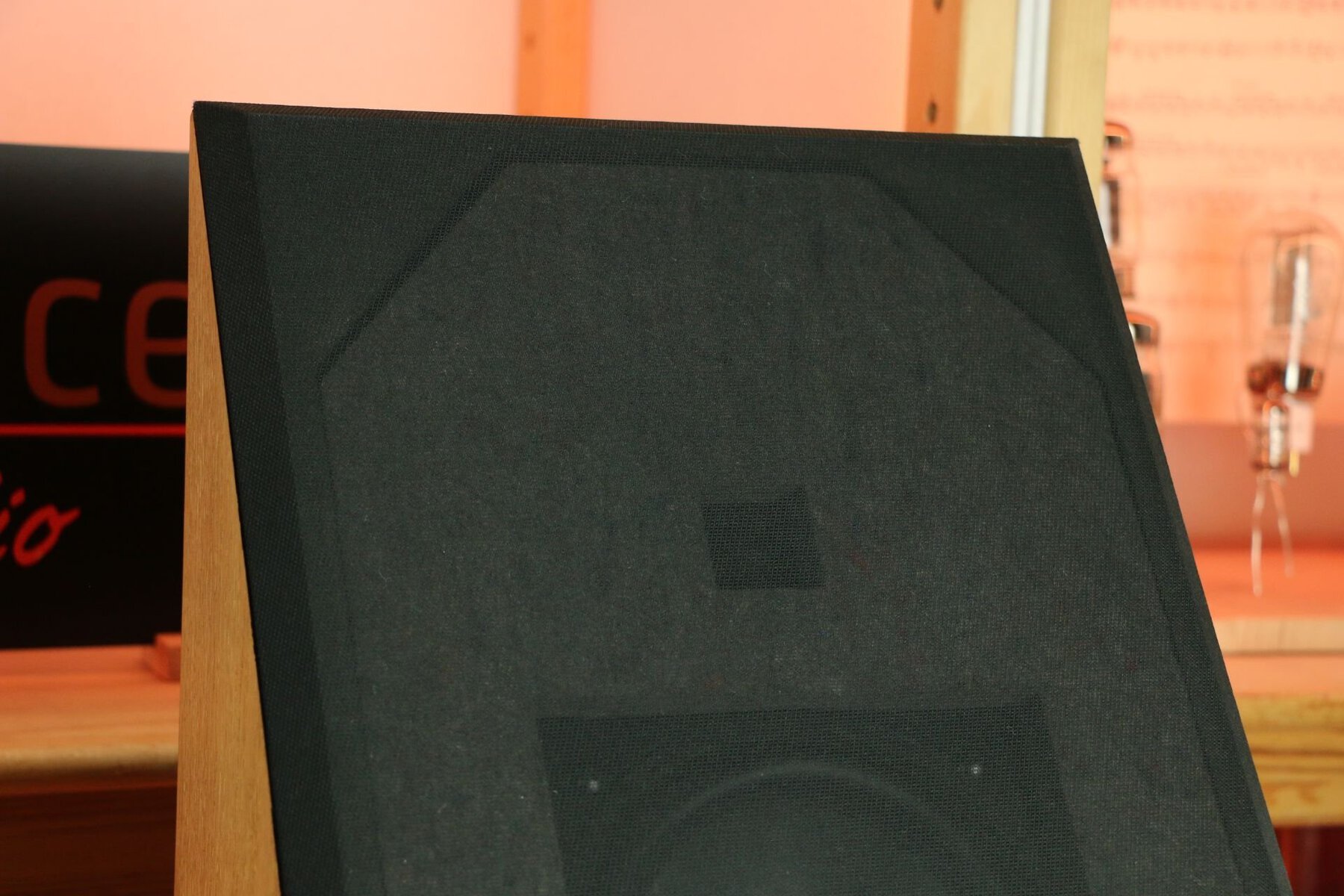
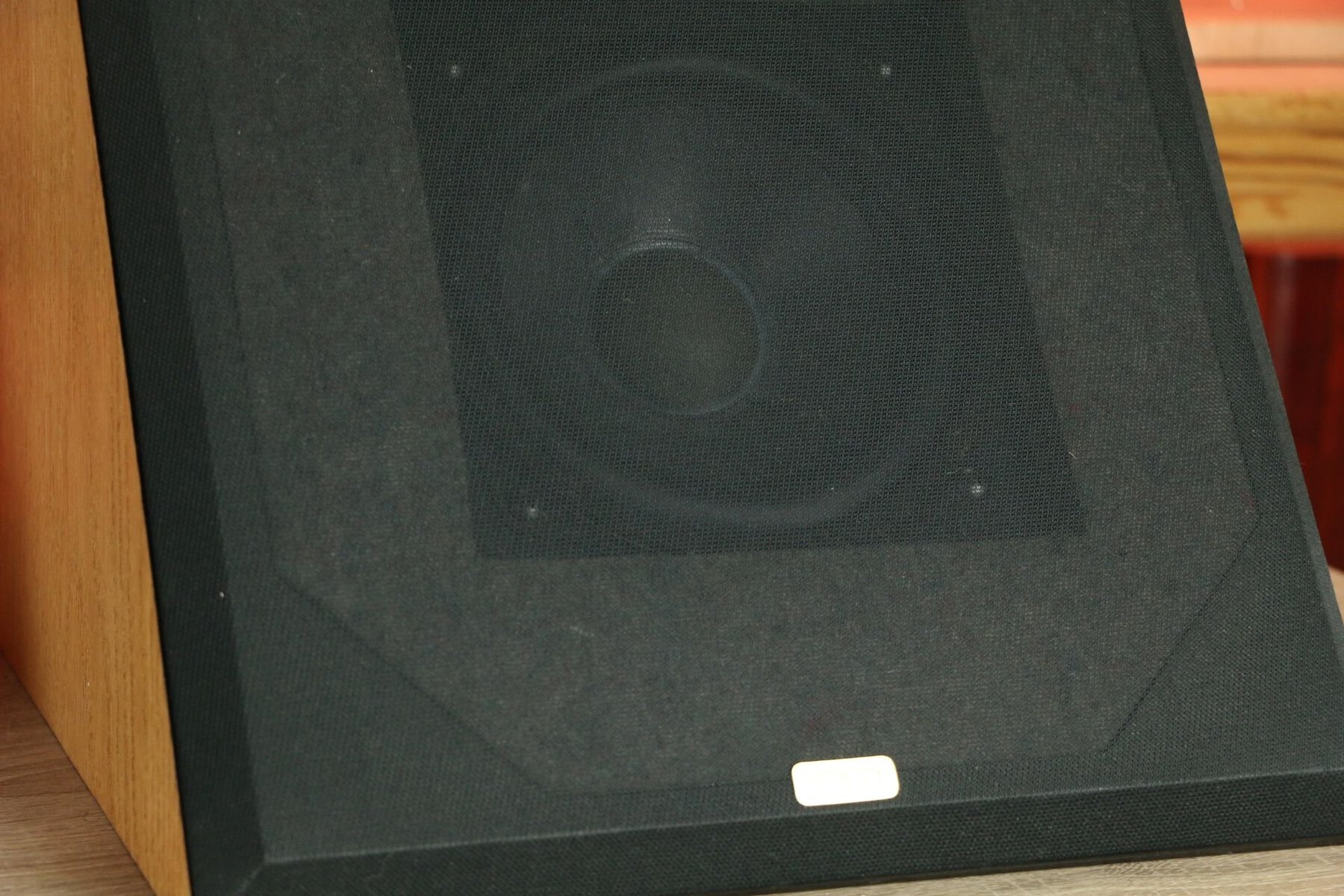
Curious? Come check them out. These really perform well! This was a real surprise. Best value for money in our store.
General Description
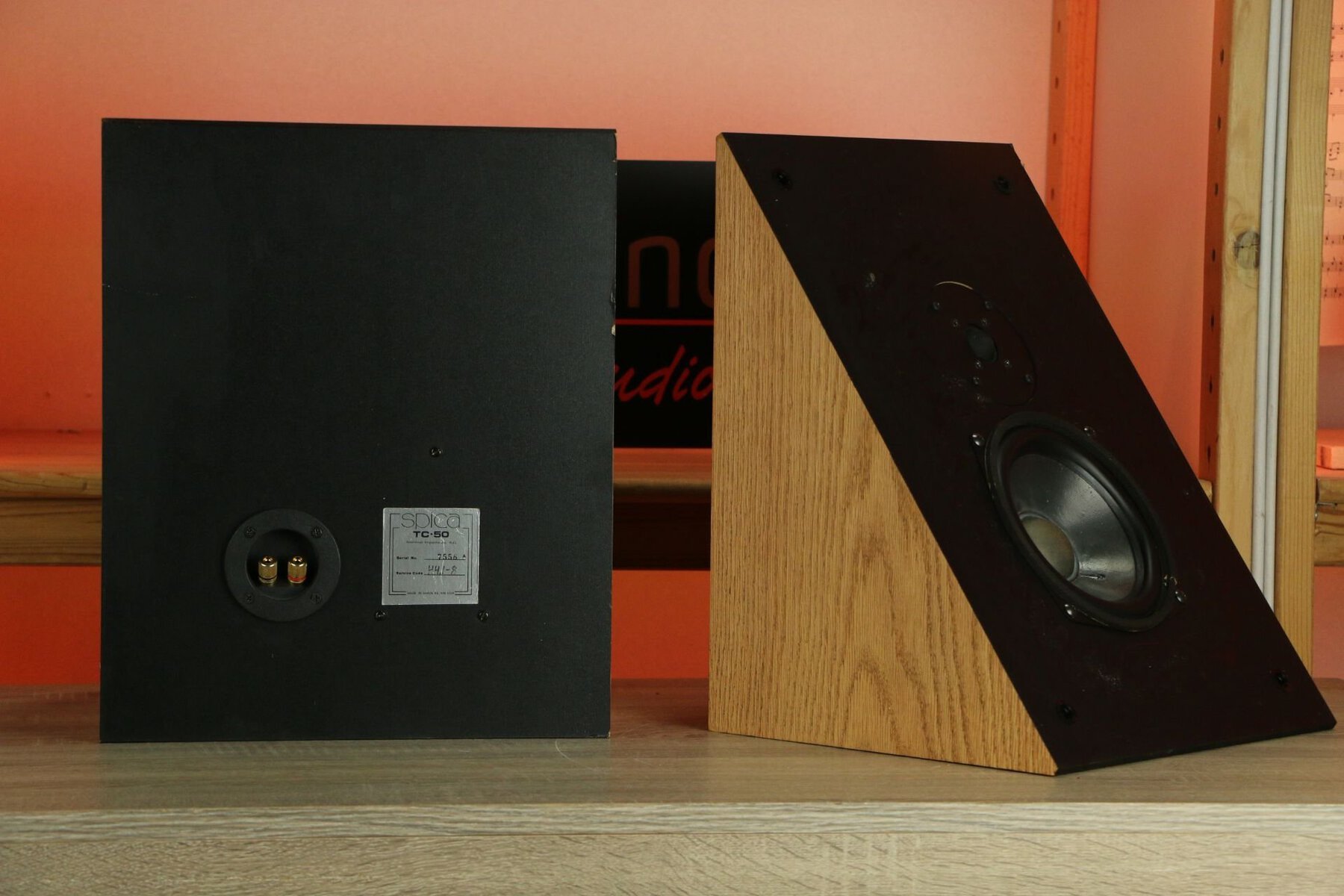
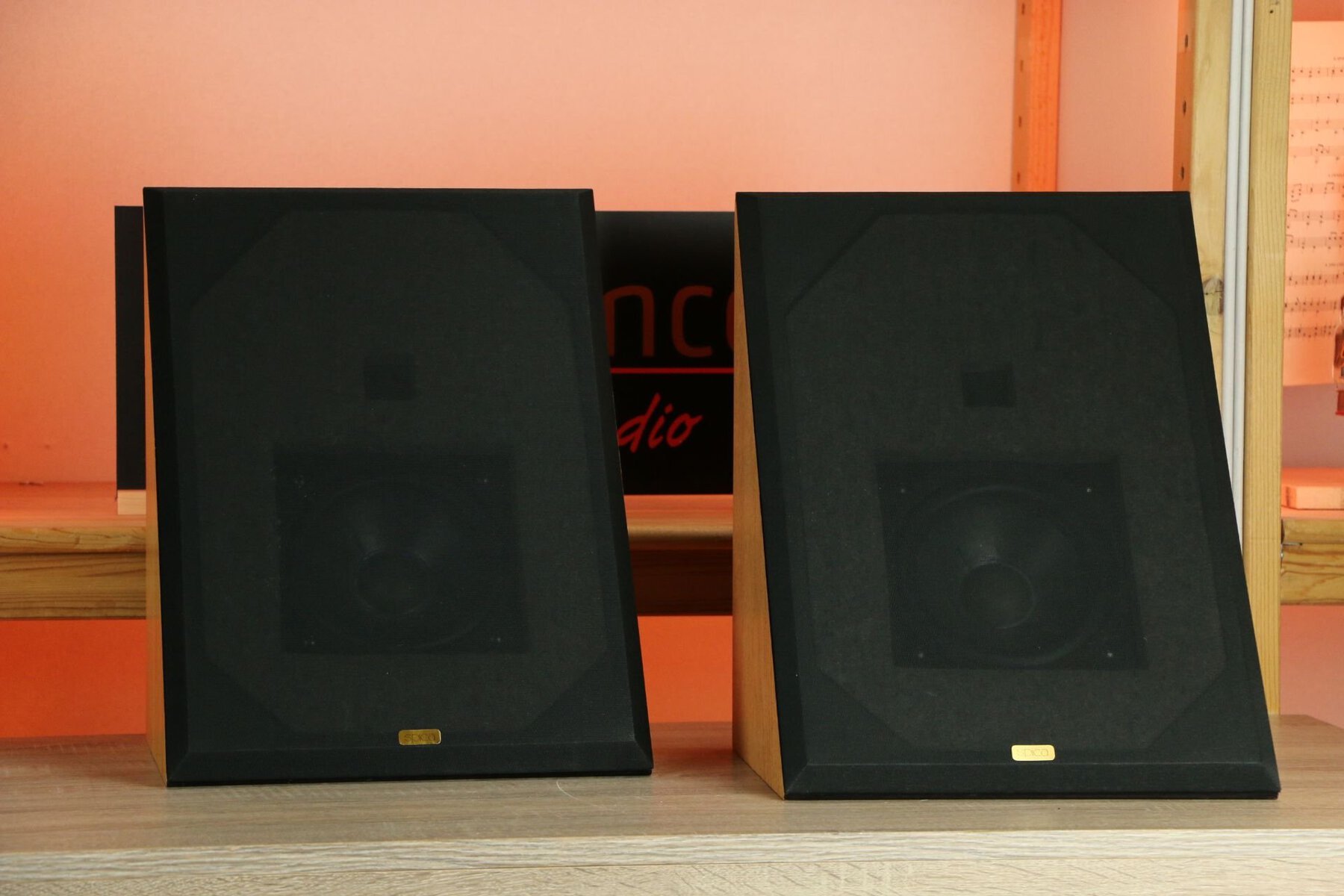
The Spica TC-50 is a bookshelf speaker from Spica designed to deliver a balanced sound palette with a refined stereo image. The Spica TC-50 speakers offer a natural sound that combines detail and dynamics without resorting to excessive sharpness or an artificially harsh sound. The speaker system reveals subtle nuances in vocal lines and woodwinds, and the soundstage remains open and spacious across the entire frequency range.
These Spica TC-50 speakers are highly sensitive to placement and electronics, so they only truly reveal their potential when positioned at the correct height, away from reflective back walls. The TC-50’s sound reproduction is exceptionally transparent in the midrange, with precise focus on instruments and vocals, and a tone that remains warm yet controlled. The dynamics of the Spica TC-50 are evident in both soft passages and more powerful sections: the transition from silence to sound is seamless and convincing. Anyone looking for speakers with a natural, musical presentation will find great pleasure in these speakers.
Are you curious to see how the Spica TC-50 compares to other speakers in our listening room? Schedule a listening session to experience the stereo image and sound quality for yourself, or compare the TC-50 with other options—we’d also be happy to discuss possible trade-in options.
Spica TC-50 Specifications
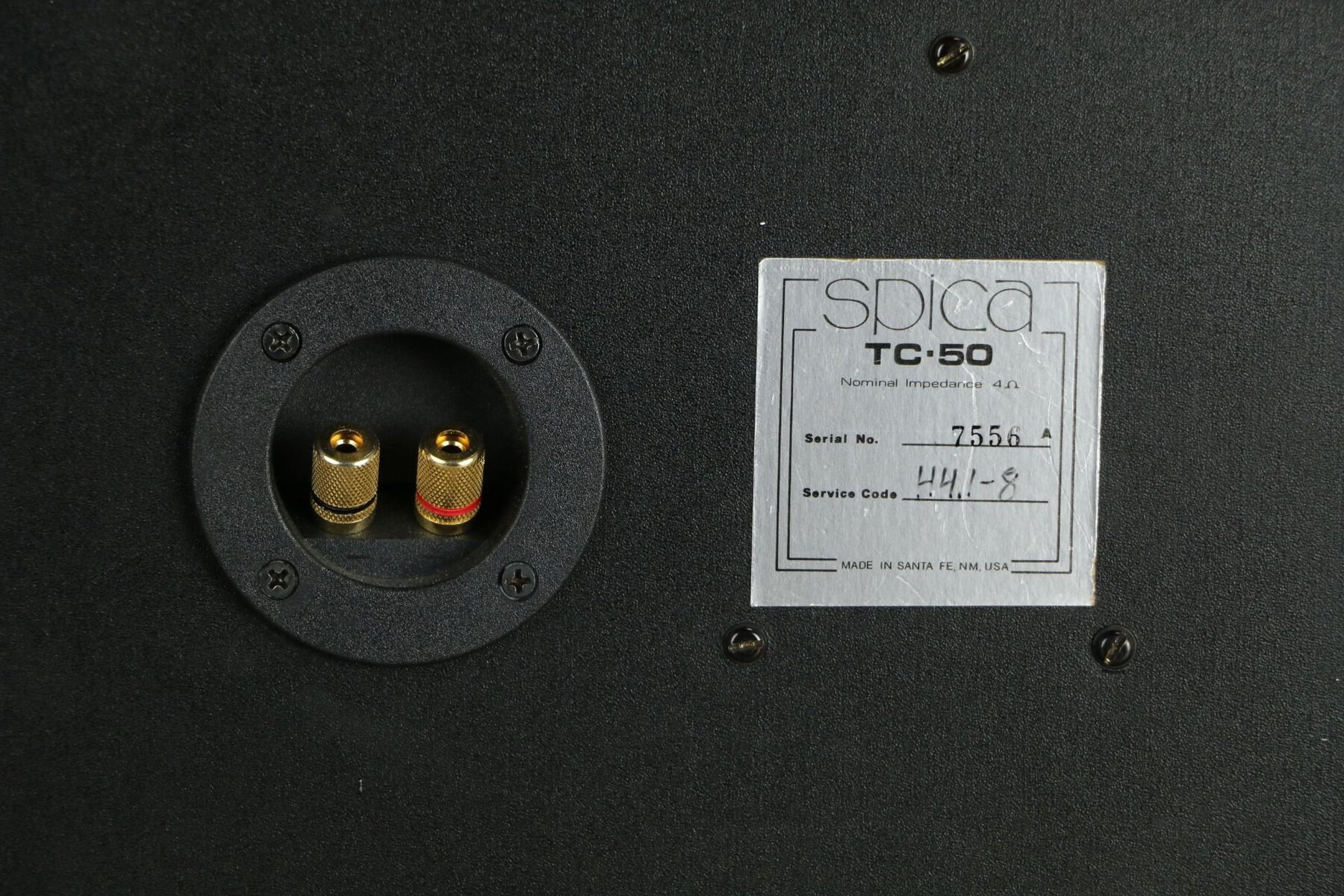
Description: Two-way, floor-standing speaker. Drivers: 1″ soft-dome tweeter, 6.5″ pulp-cone woofer. Low-frequency enclosure: sealed box with Q=0.78. Crossover frequency: 2 kHz. Crossover: high-pass slope, approximately first-order, 6 dB/octave; low-pass slope, fourth-order, 24 dB/octave, Bessel; both drivers are connected with the same polarity. Frequency response: 60 Hz–17 kHz –3 dB. Sensitivity: 84 dB/W/m. Nominal impedance: 4 ohms (minimum 3.6 ohms at 4 kHz). Amplifier requirements: 25–100 W. Maximum power handling: 50 W continuous, 100 W peak. Dimensions: 15.5″ (394 mm) H × 13″ (330 mm) W × 11.6″ (295 mm) D. Weight: 20 lbs (9.07 kg)
Background Information
The Spica TC-50 is renowned for its impressive design philosophy, which centers on accurate sound reproduction. Engineer John Bau led the design team and focused on phase coherence and time alignment in the speaker design. The cabinet is made of sturdy MDF and is designed for minimal resonance. The internal wiring and components have been carefully selected for optimal signal integrity. The cone and dome tweeter are sourced from high-quality suppliers, contributing to the excellent sound balance. Thanks to the innovative combination of materials and manufacturing methods, the TC-50 delivers a rich, detailed listening experience.
Brand History
Spica is a brand known for its significant role in the development of high-quality audio systems. The brand was founded in the 1970s and quickly made a name for itself by designing products that were both technically advanced and aesthetically pleasing. In the 1980s, Spica introduced models that represented a breakthrough thanks to their unique design and sound reproduction. Over the years, the brand has maintained a consistent approach to manufacturing equipment that is both timeless and meticulously crafted. Throughout its history, Spica has focused on delivering a clear and precise sound experience, something that is cherished by a wide range of users. Despite changes in technology and market trends, Spica remains true to its original philosophy of high-quality manufacturing and is regarded as a trusted name among enthusiasts and connoisseurs.

Additional information

Merken

Questions & Answers

What is the frequency response of the Spica TC-50?

The frequency response is approximately 60 Hz to 17 kHz at -3 dB.

What is the power handling capacity of the Spica TC-50?

The speaker can handle 50 watts of continuous power and 100 watts of peak power.

What is the nominal impedance, and how low can the impedance drop?

The nominal impedance is 4 ohms, with a minimum of approximately 3.6 ohms around 4 kHz.

How should the crossover on the Spica TC-50 be operated or adjusted?

The crossover is fixed internally, with a fourth-order (24 dB/oct) low-pass Bessel filter for the woofer and a first-order (6 dB/oct) high-pass filter for the tweeter; not intended for user adjustment.

Which amplifiers are compatible with the TC-50, given its impedance and efficiency?

Amplifiers with 25 to 100 watts RMS at 4 ohms deliver good performance; lower power ratings may be insufficient due to low sensitivity (~84 dB/W/m).

What is the best way to position the TC-50 speakers?

Place them on stands, away from the corners, with the front baffle positioned so that the woofer and tweeter are time-aligned; experiment with toe-in angles for optimal imaging.

Is the “TC-50i” version different from the original “TC-50,” and if so, how?

Yes: Starting in January 1988, the TC-50i was manufactured with different woofers, a different tweeter, a modified crossover, and altered felt surrounds around the tweeter to improve efficiency and component availability.

What does “sealed box” mean, and what effect does it have on low frequencies?

“Sealed box” refers to a closed enclosure without ports; this limits low-frequency output below ~60 Hz, creating a tighter bass with less resonance.

What connectors and wiring are needed to connect the TC-50?

Use conventional speaker wires while maintaining tweeter and woofer polarity; the positive (+) terminals of both drivers must be in phase.

How does it work with subwoofers or speakers in larger setups?

The TC-50 can be paired with a subwoofer to extend the bass range, especially if significant output below 60 Hz is desired; crossovers and subwoofer transition settings can help avoid overlap or dips.
We hebben geen reviews voor je!

All about | Spica TC-50

Description: Freakuence! | Spica TC-50

Curious? Come check them out. These really perform well! This was a real surprise. Best value for money in our store.

General Description | Spica TC-50

The Spica TC-50 is a bookshelf speaker from Spica designed to deliver a balanced sound palette with a refined stereo image. The Spica TC-50 speakers offer a natural sound that combines detail and dynamics without resorting to excessive sharpness or an artificially harsh sound. The speaker system reveals subtle nuances in vocal lines and woodwinds, and the soundstage remains open and spacious across the entire frequency range.
These Spica TC-50 speakers are highly sensitive to placement and electronics, so they only truly reveal their potential when positioned at the correct height, away from reflective back walls. The TC-50’s sound reproduction is exceptionally transparent in the midrange, with precise focus on instruments and vocals, and a tone that remains warm yet controlled. The dynamics of the Spica TC-50 are evident in both soft passages and more powerful sections: the transition from silence to sound is seamless and convincing. Anyone looking for speakers with a natural, musical presentation will find great pleasure in these speakers.
Are you curious to see how the Spica TC-50 compares to other speakers in our listening room? Schedule a listening session to experience the stereo image and sound quality for yourself, or compare the TC-50 with other options—we’d also be happy to discuss possible trade-in options.

Spica TC-50 Specifications | Spica TC-50

Description: Two-way, floor-standing speaker. Drivers: 1" soft-dome tweeter, 6.5" pulp-cone woofer. Low-frequency enclosure: sealed box with Q=0.78. Crossover frequency: 2 kHz. Crossover: high-pass slope, approximately first-order, 6 dB/octave; low-pass slope, fourth-order, 24 dB/octave, Bessel; both drivers are connected with the same polarity. Frequency response: 60 Hz–17 kHz –3 dB. Sensitivity: 84 dB/W/m. Nominal impedance: 4 ohms (minimum 3.6 ohms at 4 kHz). Amplifier requirements: 25–100 W. Maximum power handling: 50 W continuous, 100 W peak. Dimensions: 15.5" (394 mm) H × 13" (330 mm) W × 11.6" (295 mm) D. Weight: 20 lbs (9.07 kg)

Background Information | Spica TC-50

The Spica TC-50 is renowned for its impressive design philosophy, which centers on accurate sound reproduction. Engineer John Bau led the design team and focused on phase coherence and time alignment in the speaker design. The cabinet is made of sturdy MDF and is designed for minimal resonance. The internal wiring and components have been carefully selected for optimal signal integrity. The cone and dome tweeter are sourced from high-quality suppliers, contributing to the excellent sound balance. Thanks to the innovative combination of materials and manufacturing methods, the TC-50 delivers a rich, detailed listening experience.

Brand History | Spica TC-50

Spica is a brand known for its significant role in the development of high-quality audio systems. The brand was founded in the 1970s and quickly made a name for itself by designing products that were both technically advanced and aesthetically pleasing. In the 1980s, Spica introduced models that represented a breakthrough thanks to their unique design and sound reproduction. Over the years, the brand has maintained a consistent approach to manufacturing equipment that is both timeless and meticulously crafted. Throughout its history, Spica has focused on delivering a clear and precise sound experience, something that is cherished by a wide range of users. Despite changes in technology and market trends, Spica remains true to its original philosophy of high-quality manufacturing and is regarded as a trusted name among enthusiasts and connoisseurs.

Questions & Answers | Spica TC-50

What is the frequency response of the Spica TC-50?


The frequency response is approximately 60 Hz to 17 kHz at -3 dB.

What is the power handling capacity of the Spica TC-50?


The speaker can handle 50 watts of continuous power and 100 watts of peak power.

What is the nominal impedance, and how low can the impedance drop?


The nominal impedance is 4 ohms, with a minimum of approximately 3.6 ohms around 4 kHz.

How should the crossover on the Spica TC-50 be operated or adjusted?


The crossover is fixed internally, with a fourth-order (24 dB/oct) low-pass Bessel filter for the woofer and a first-order (6 dB/oct) high-pass filter for the tweeter; not intended for user adjustment.

Which amplifiers are compatible with the TC-50, given its impedance and efficiency?


Amplifiers with 25 to 100 watts RMS at 4 ohms deliver good performance; lower power ratings may be insufficient due to low sensitivity (~84 dB/W/m).

What is the best way to position the TC-50 speakers?


Place them on stands, away from the corners, with the front baffle positioned so that the woofer and tweeter are time-aligned; experiment with toe-in angles for optimal imaging.

Is the “TC-50i” version different from the original “TC-50,” and if so, how?


Yes: Starting in January 1988, the TC-50i was manufactured with different woofers, a different tweeter, a modified crossover, and altered felt surrounds around the tweeter to improve efficiency and component availability.

What does “sealed box” mean, and what effect does it have on low frequencies?


“Sealed box” refers to a closed enclosure without ports; this limits low-frequency output below ~60 Hz, creating a tighter bass with less resonance.

What connectors and wiring are needed to connect the TC-50?


Use conventional speaker wires while maintaining tweeter and woofer polarity; the positive (+) terminals of both drivers must be in phase.

How does it work with subwoofers or speakers in larger setups?


The TC-50 can be paired with a subwoofer to extend the bass range, especially if significant output below 60 Hz is desired; crossovers and subwoofer transition settings can help avoid overlap or dips.

Reviews & awards | Spica TC-50

Stereophile (John Atkinson, Vol. 12, No. 10, October 1989):

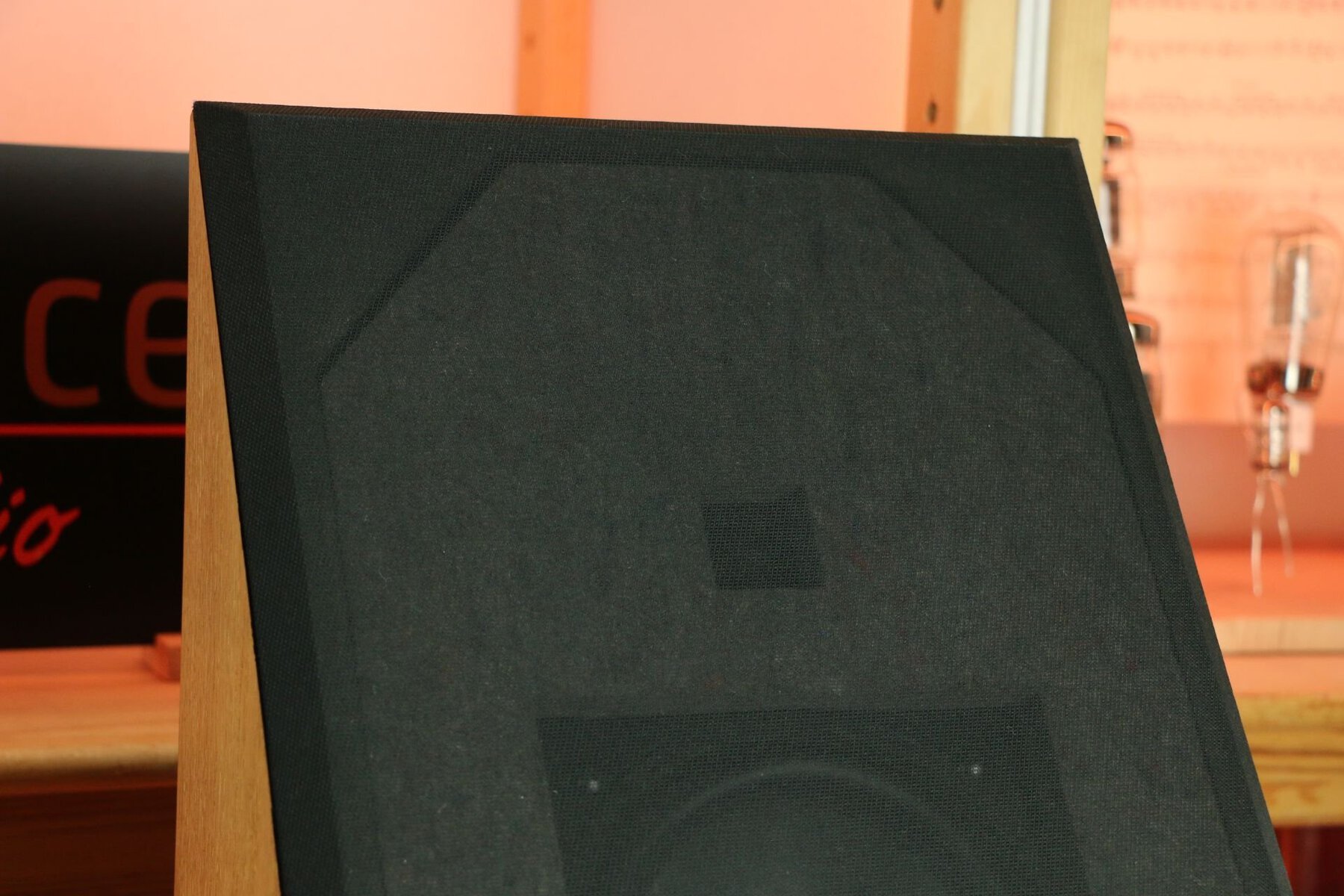
The Spica TC-50 is a compact and ingenious loudspeaker featuring a triangular enclosure, a 6.5-inch woofer, and a 1-inch tweeter from Audax. The crossover combines a quasi-first-order high-pass filter with a fourth-order Bessel low-pass filter, both with the same polarity, which, together with the angled front baffle, ensures a linear amplitude and phase response. Noteworthy is its extreme sensitivity to the listening axis; a height deviation of just one centimeter noticeably alters the balance in the high frequencies. The low frequencies respond cleanly but lack weight and punch below approximately 70 Hz.

Stereophile (Anthony H. Cordesman, February 1984):

The TC-50 offers exceptional imaging, phase-line coherence, and musical integrity for a speaker priced under $500. The design requires good amplifiers (4 Ω load) and does not produce extreme low bass or very high frequencies; however, the midrange is transparent and lively.

Hi-Fi Choice (UK, December 1987):

The build quality is good, featuring sturdy materials such as MDF, 20 mm particleboard, and long-pile wool padding on the interior. The drive units are from Audax, consisting of a 160 mm paper-coned woofer and a soft fabric dome tweeter. The frequency response is quite flat on-axis, although off-axis there is a noticeable dip around 2 kHz, resulting in a “mild excess in the treble.” Sensitivity is 85 dB/W, and the impedance response is demanding on the amplifier.

Tone Publications (“Old School” feature, ToneAudio No. 38, June 2011):

When it was introduced in 1983, the TC-50 was considered a marvel because of its strikingly open sound and impressive imaging, almost comparable to electrostatic speakers of that era. The only drawback is that the tweeter cannot handle high power or clipping; nevertheless, the tonal accuracy is stunning.

“6th Street Bridge” blog (November 2012):

The writer particularly praises the Spica’s midrange and imaging—instruments and vocals are clearly positioned in width and depth, and color distortion is low (“tonal neutrality”). The low frequencies, however, are described as weak; the woofer is physically incapable of delivering the same amount of air displacement as larger speakers; the bass is subdued but clean, with little “slam.”

Schrijf je in!

audiofeiten | producten | luisterervaringen | muziek

Schrijf je in!

audiofeiten | producten | luisterervaringen | muziek

Uitroepteken

Bekijk online video's!

Watch out!

No videos available for this product.

Exclamation point

We are Freakuence!

Your daily scroll!

This is where you are right audio fanatic. Packed with products. Daily entertainment. Go wild on our website!

This is where you are right audio fanatic.
Packed with products & daily entertainment.
Go wild on our website!

Products
New and used gear. Check reviews, videos, brand history and more.

Freakboard!
Always something to discover.
Live shows, playlists, setups, sessions, tips and nonsense.
Open the Freakboard!

Listening rooms
They drag you into other worlds. Time blurs. See them now, experience them later.

Freaknews!
Go to the Freakboard! and sign up for our newsletter. No Fake News, Audio Only!

Brands page
Toss a coin in the jukebox and discover our brands.

Freakcons!
These audio icons can be found throughout the site. Click and discover the audio history.

Information page
For those who really want to know everything about Freakuence!

Sign up!

audio facts | products | listening experiences | music

Sign up!

audio facts | products | listening experiences | music

Exclamation mark.svg

Staying informed?

We will notify you!

This product is unfortunately already reserved, but if you leave your details below we will let you know immediately when it becomes available again!

Exclamation mark.svg

Staying informed?

We’ll notify you!

Currently unavailable, possibly due to a listening session today.
Fill in your details and we will be happy to keep you informed!

Exclamation point

Global shipping

Found you!

This is where you are right audio fanatic.
Packed with products & daily entertainment.
Go wild on our website!

We ship worldwide!

If you order through our webshop, free shipping applies to the countries listed below:

Belgium, Bosnia and Herzegovina, Bulgaria, Denmark, Germany, Estonia, Finland, France, Greece, Hungary, Ireland, Iceland, Italy, Croatia, Latvia, Liechtenstein, Lithuania, Luxembourg, Monaco, Netherlands, Norway, Austria, Poland, Portugal, Romania, Serbia, Slovenia, Slovakia, Spain, Czech Republic, United Kingdom (UK), Sweden and Switzerland.

For shipments to other countries, we will contact you. You can place your order in advance without checkout, then you can be sure of the product. Then you can decide if the shipping costs are acceptable to you. If not, we will cancel the order. You can also send us a message first to inquire about the cost.

We are adept at packing shipments properly so no worries. All shipments are 100% insured.

Exclamation point

Watch online videos!

Watch out!

No videos available for this product.

CD

De Compact Disc (CD) kwam zoals de meeste uitvindingen niet uit de lucht vallen. Na de uitvinding van de laser in 1958 werd in 1961 het eerste octrooi voor optisch leesbare schijven ingediend. In 1972 werden de eerste digitale videoplaten geïntroduceerd. Na een flop van Philips kwam de fabrikant in 1979 samen met Sony met de eerste cd, wat erop stond weten wij niet maar in 1982 kwam de eerste cd voor de markt uit, het was het album Visitors van ABBA. In dit jaar kwam de eerste speler beschikbaar en zo begon de verdrijving van de lp uit de markt. Velen hebben hun lp’s letterlijk bij het vuil gezet… sommige bezoekers zien wij nog steeds balen als ze dit vertellen. Heb je cd’s, geniet er vooral nog eens van, ze hebben immers geen oneindige levensduur.
CD

The Compact Disc (CD), like most inventions, did not appear out of thin air. After the invention of the laser in 1958, the first patent for optically readable disks was filed in 1961. The first digital video records were introduced in 1972. After a flop by Philips, the manufacturer, together with Sony, released the first CD in 1979. We do not know what it contained, but in 1982 the first CD was released for the market, it was the album Visitors by ABBA. In this year the first player became available and so began the elimination of the LP from the market. Many have literally thrown their LPs in the trash… we still see some visitors being disappointed when they tell us this. Velen hebben hun lp’s letterlijk bij het vuil gezet… sommige bezoekers zien wij nog steeds balen als ze dit vertellen.