





Listening session, quote or trade-in? Use the buttons below.
Euro 250,00
btw-vrij product
Nice that you want to drop by. Continue with the ordering process, here you can later choose pickup or shipping. When picking up, we will contact you so we can schedule the shoptour. We like to make it a fun visit. See you then!
Products likely on a pallet? Submit your request here .
Are you an entrepreneur outside the Netherlands? Then VAT reverse charge is only possible with a VAT number registered outside the Netherlands. Please feel free to message us with any questions or comments!
Do you live outside the EU? Then buying without VAT is only possible if both the billing address and the shipping address are outside the EU. Please feel free to message us with any questions or comments!

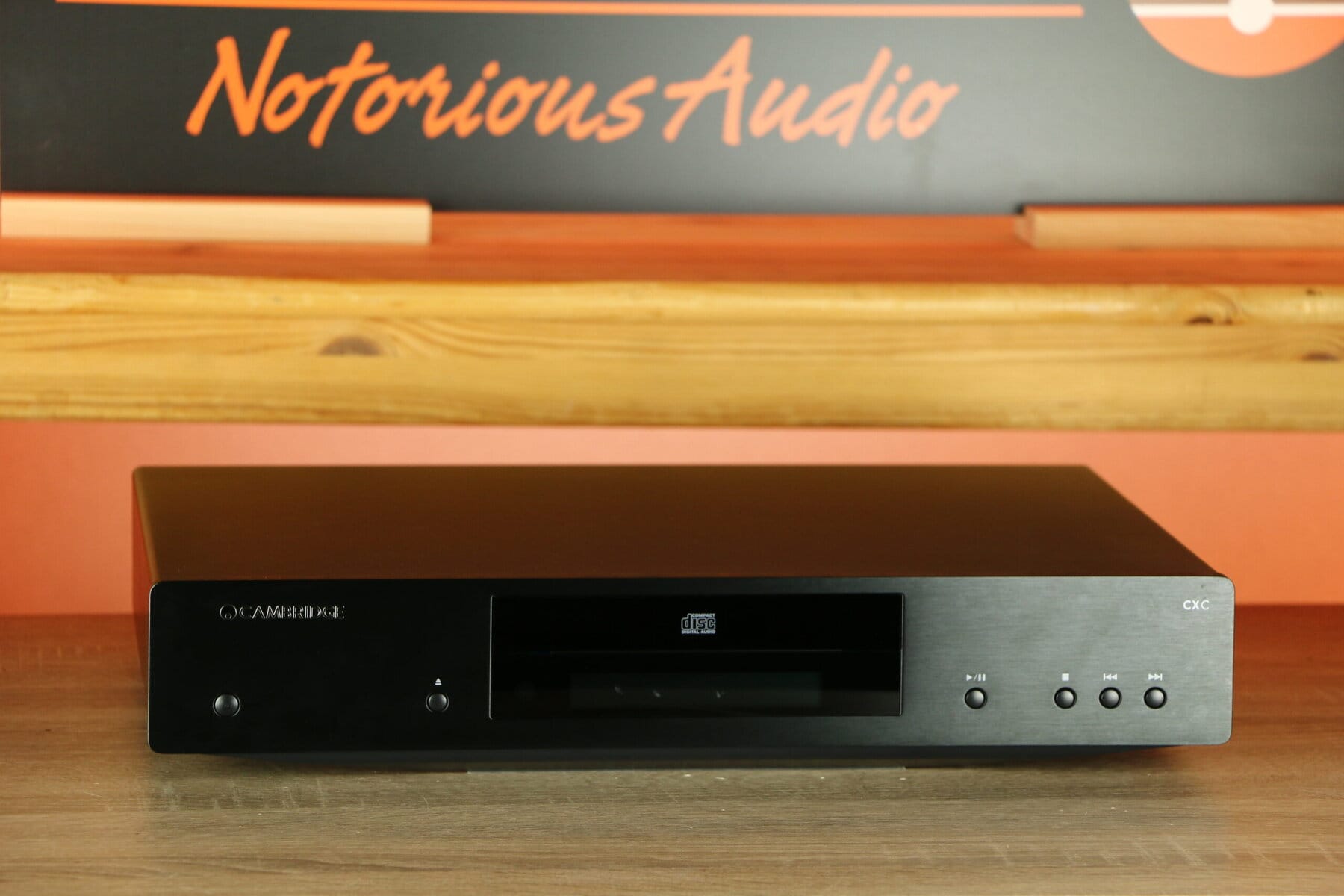
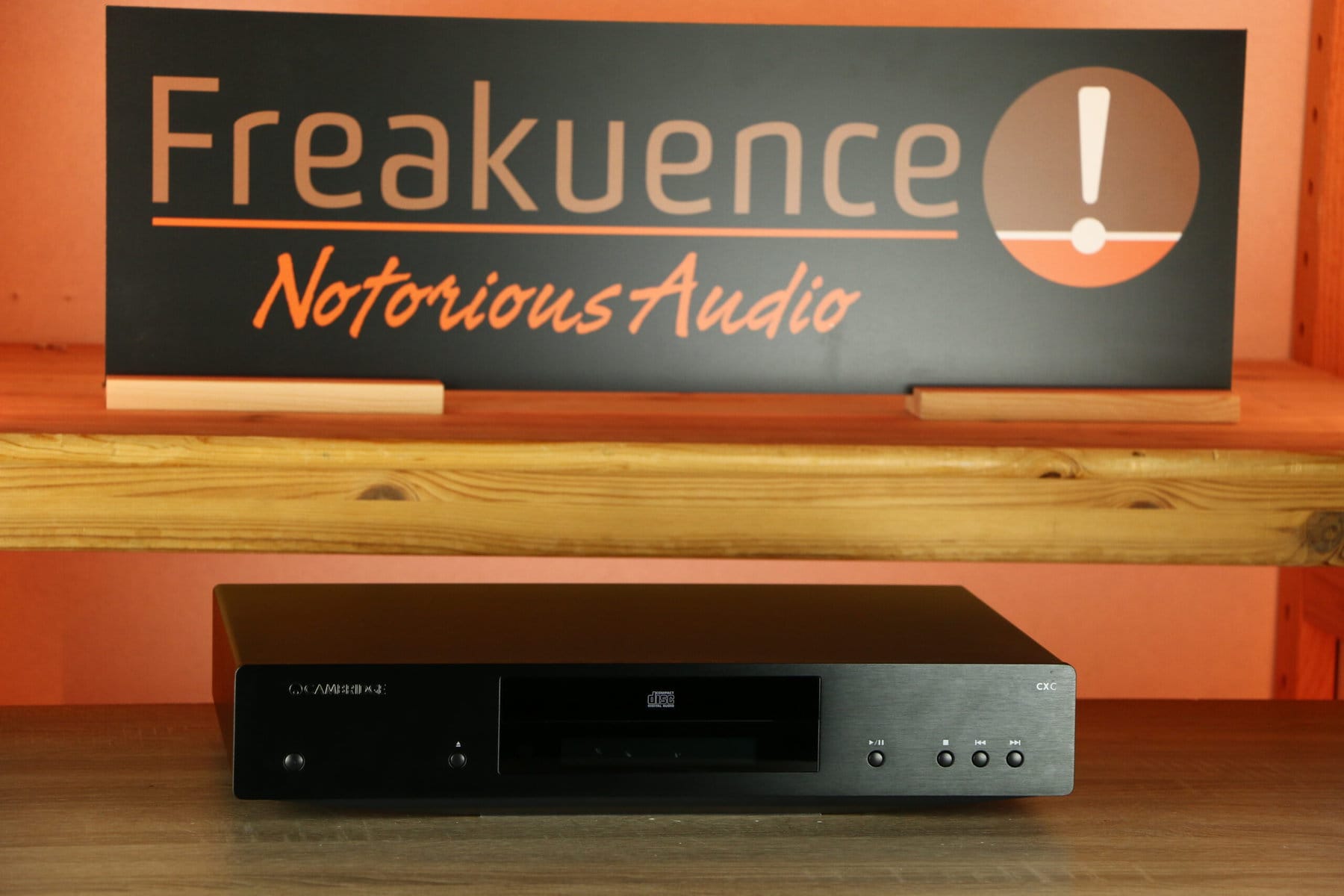
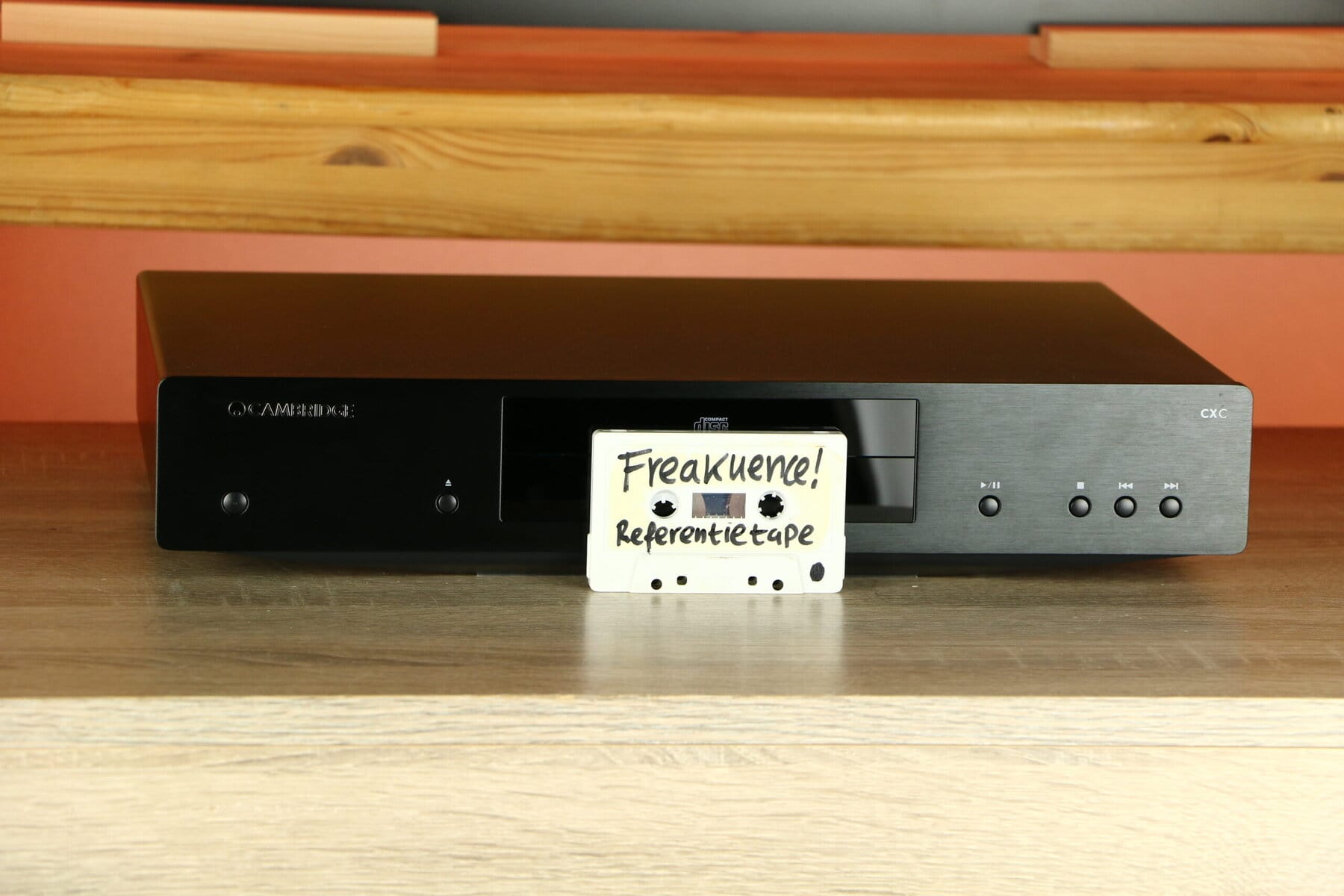
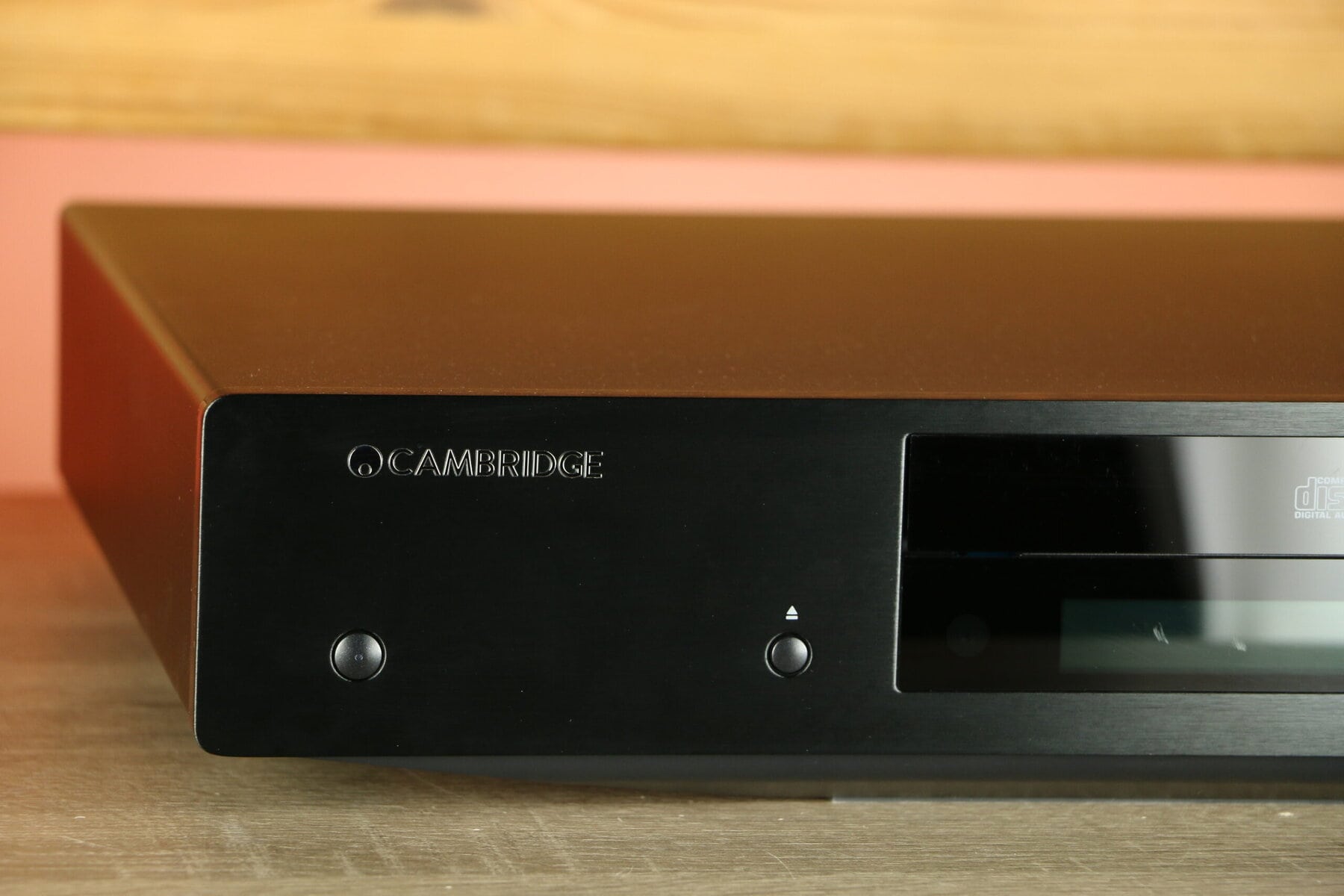
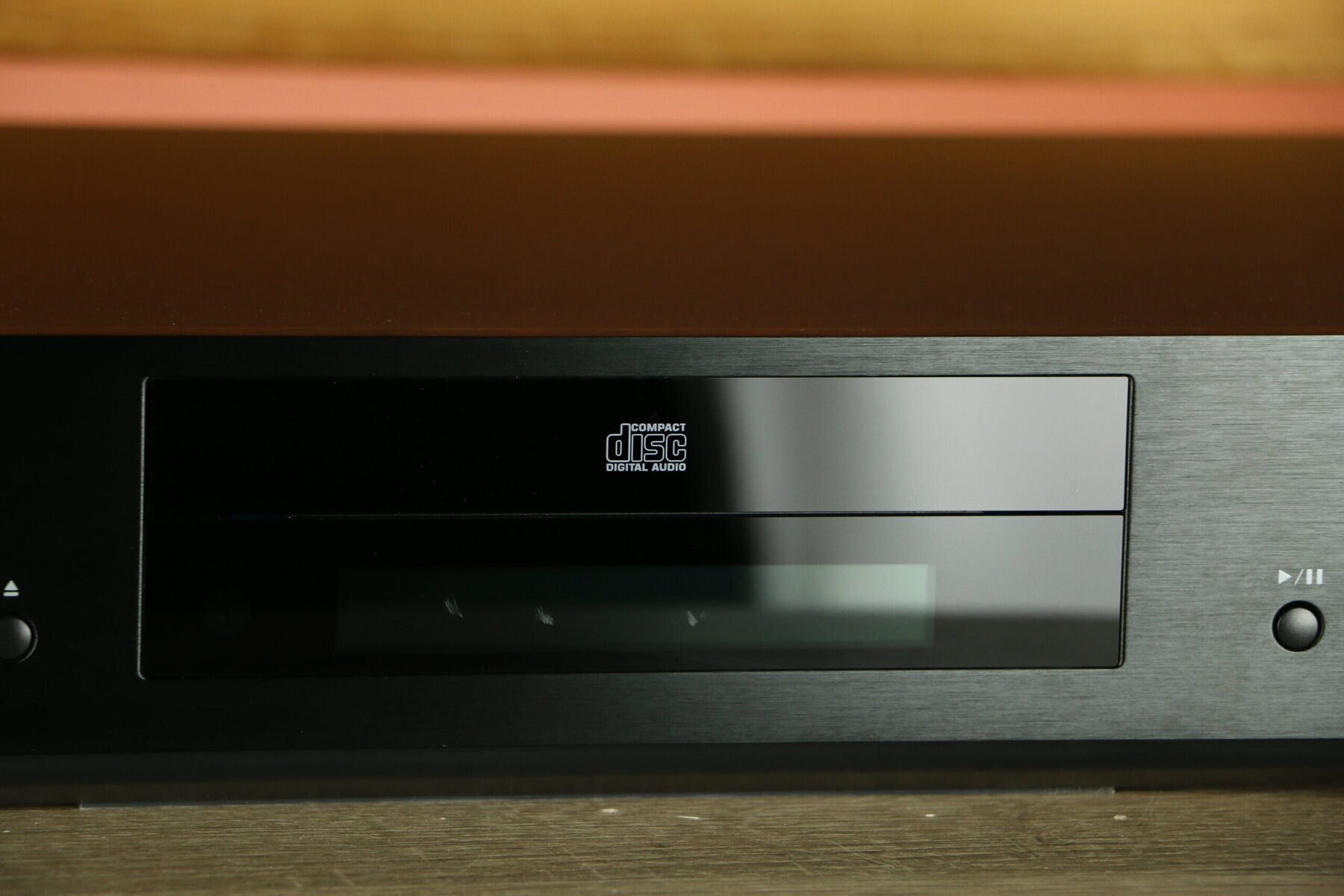
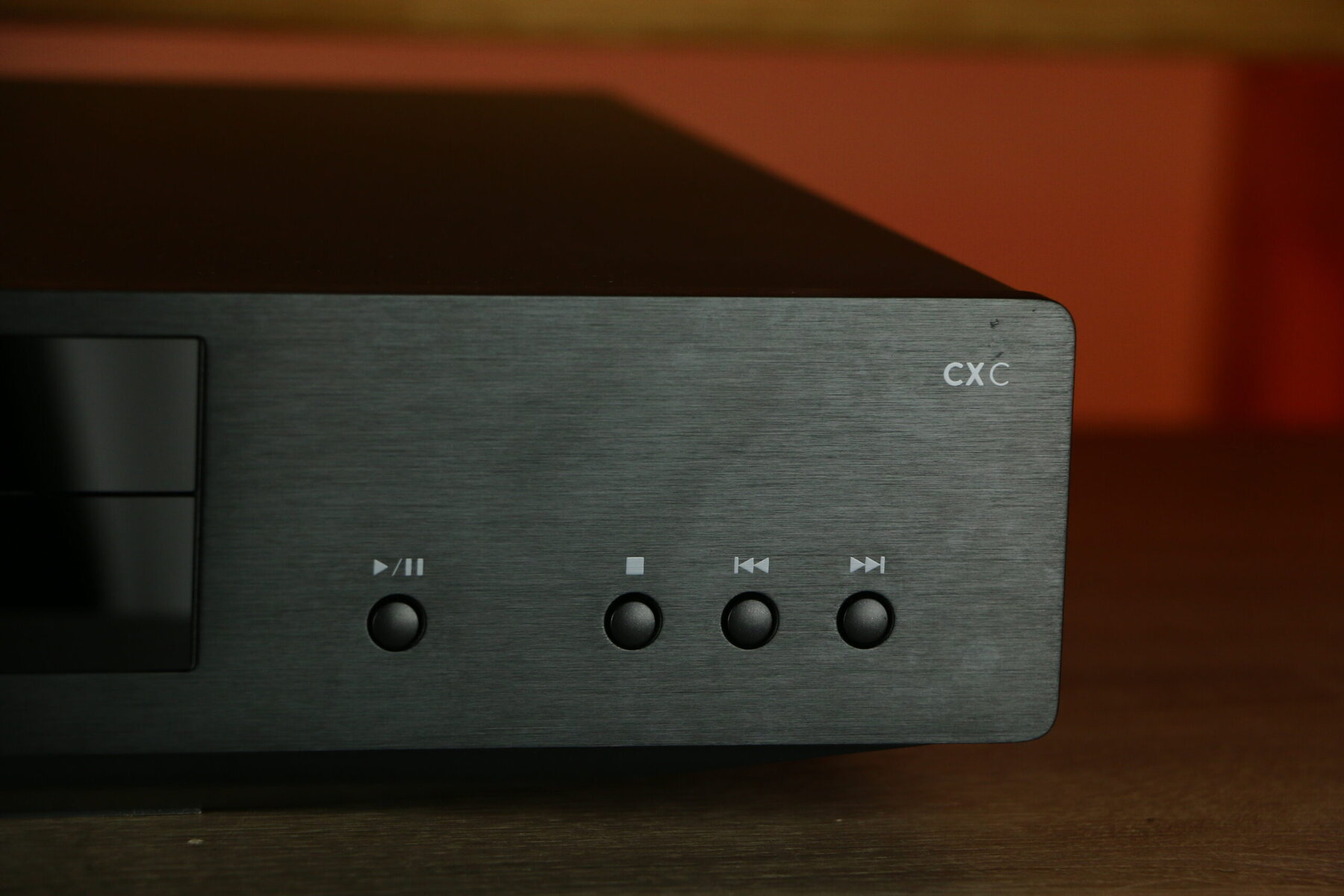
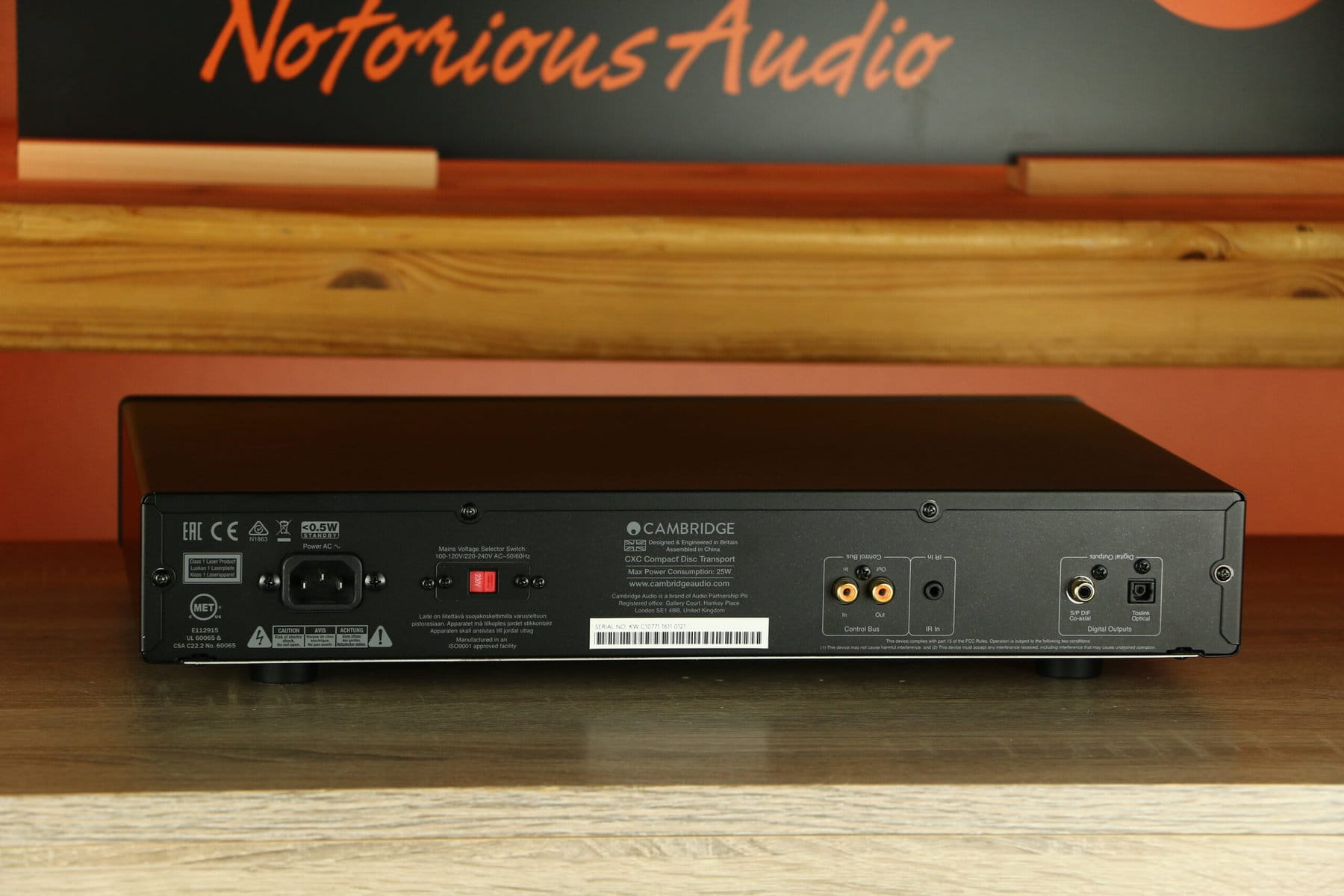
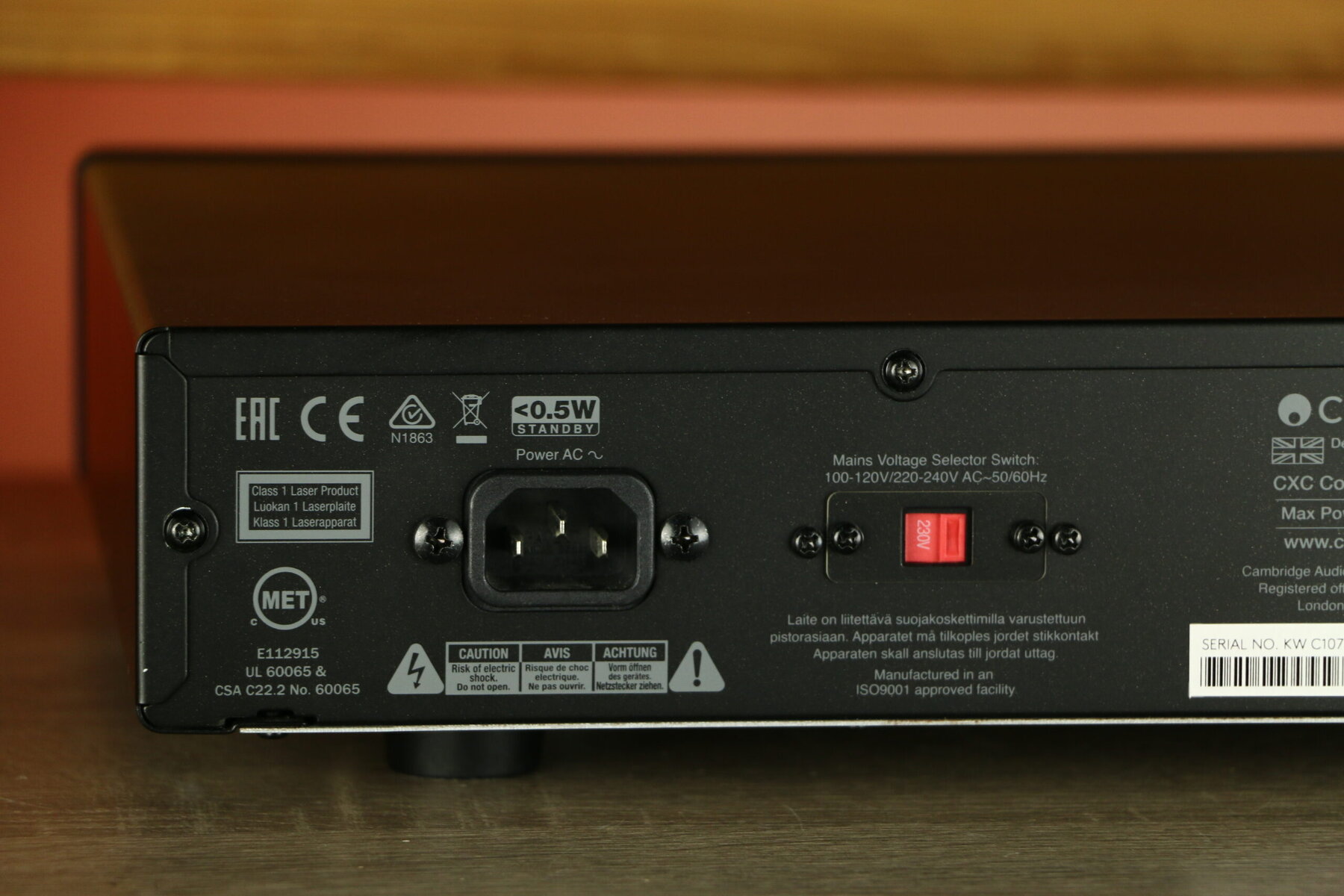
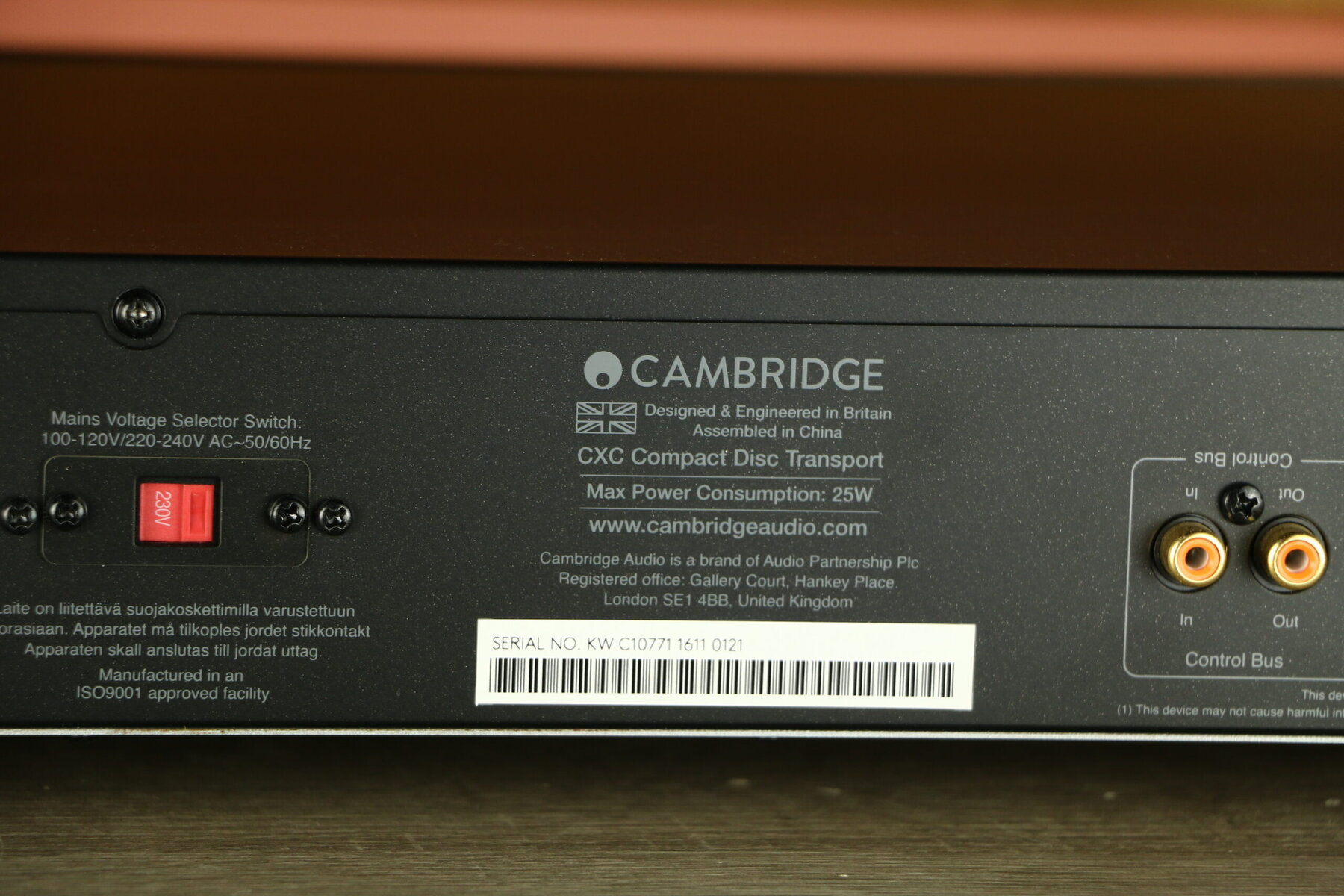
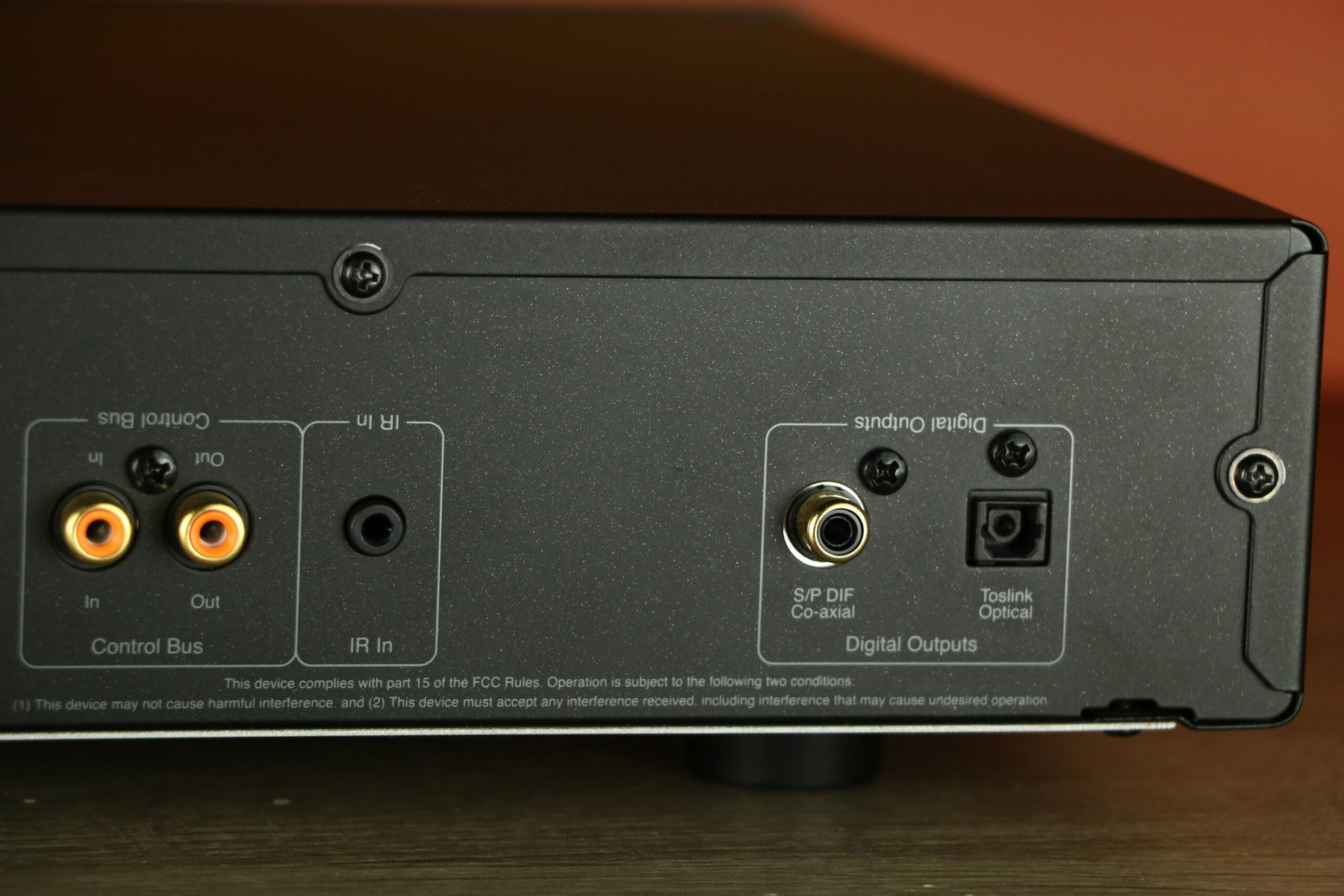
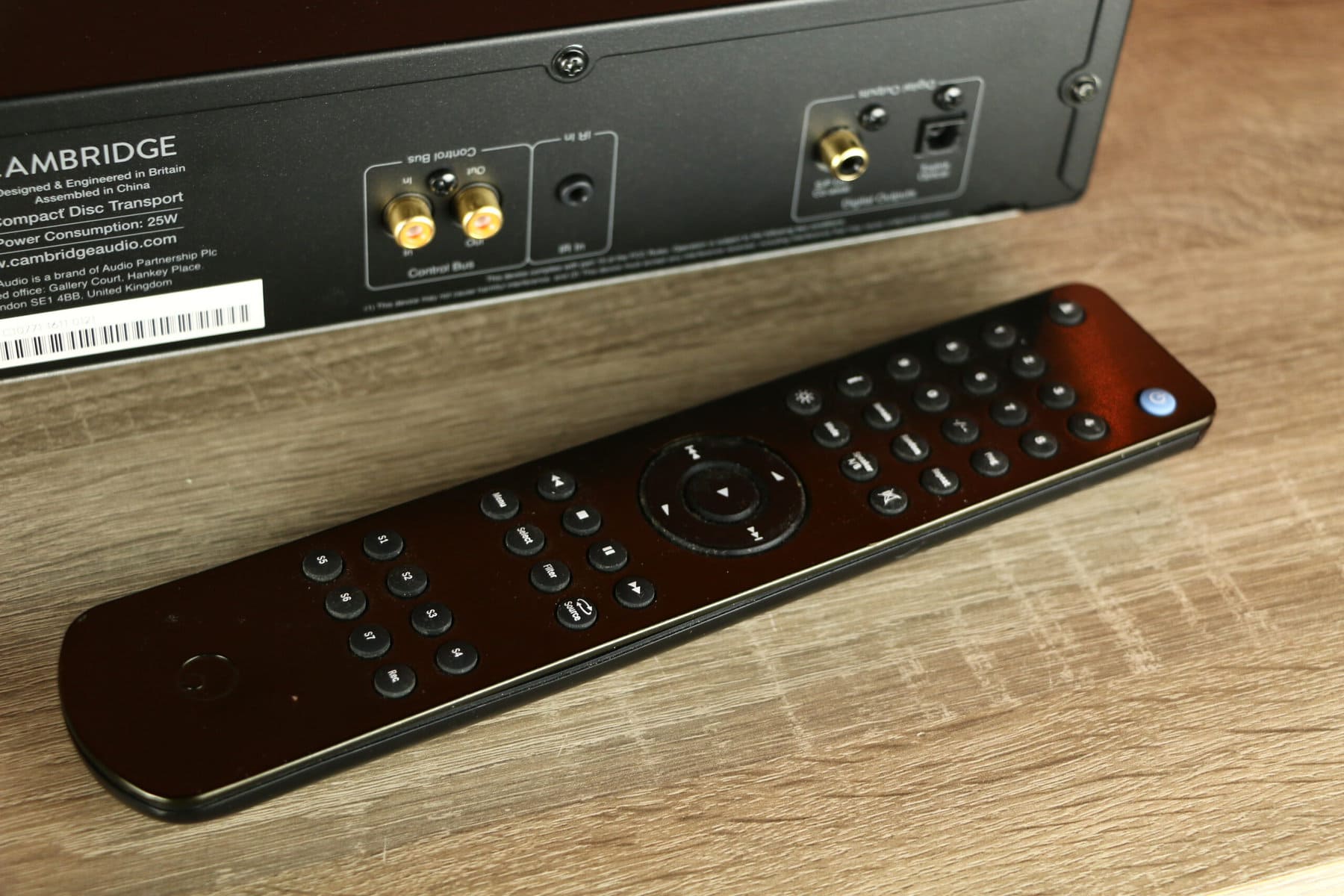
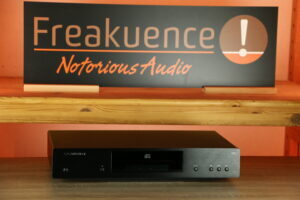
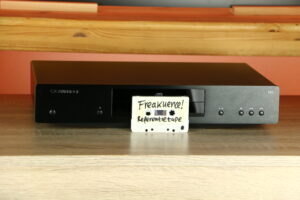
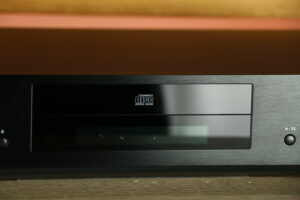
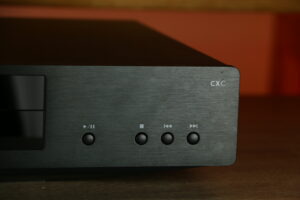
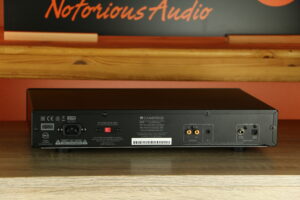
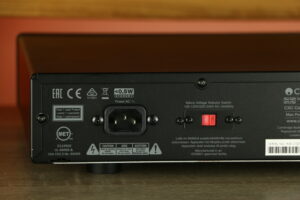
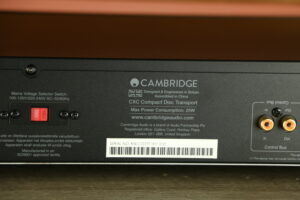
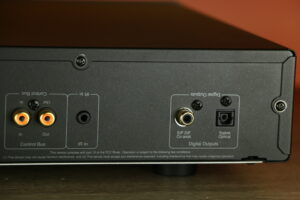
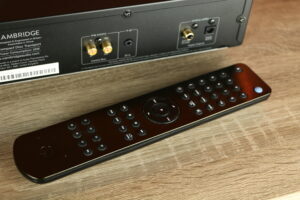
This CD transport is designed to read digital audio signals with extreme precision from CDs and pass them to an external DAC or compatible amplifier. It uses the S3 Servo mechanism, which ensures accurate and consistent data recovery. The enclosure is acoustically damped to minimize external vibrations. With digital outputs including S/PDIF coaxial and TOSLINK optical, it offers flexible connection options. Power consumption is up to 25W during operation and less than 0.5W in standby. Dimensions are 85 x 430 x 315 mm (H x W x D) and the weight is 4.3 kg.
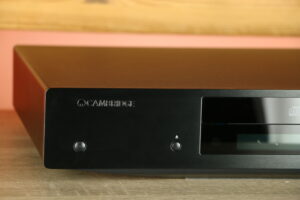
The Cambridge Audio CXC was designed in London by Cambridge Audio’s in-house engineering team, with a focus on pure CD reading without noise or jitter. The CXC uses the famous S3 servo mechanism from their high-end models, developed specifically for audio CDs. The sturdy metal housing prevents vibration. Everything is about pure digital precision: no DAC, only digital signal via coax or optical.
Cambridge Audio was founded in 1968 in Cambridge, England. That same year, the company introduced its first product, the P40, an integrated amplifier with a toroidal transformer. Products such as the P50 amplifier and the T55 FM tuner followed in the 1970s and 1980s. In 1995, the company moved to London. In 1999, the Azur development program was launched. Starting in 2003, Azur series models were produced, including the 640A and 640C. In 2010, the company introduced the StreamMagic platform. In 2014, the CX series was launched. In 2016, the Edge line appeared, named after co-founder Professor Gordon Edge. An all-new EVO series was introduced in 2021.
| Kleur |
|---|

Found you!
We versturen wereldwijd!
Bestel je via onze webshop dan geldt voor de onderstaande landen een kosteloze verzending:
België, Bosnië en Herzegovina, Bulgarije, Denemarken, Duitsland, Estland, Finland, Frankrijk, Griekenland, Hongarije, Ierland, IJsland, Italië, Kroatië, Letland, Liechtenstein, Litouwen, Luxemburg, Monaco, Nederland, Noorwegen, Oostenrijk, Polen, Portugal, Roemenië, Servië, Slovenië, Slowakije, Spanje, Tsjechië, Verenigd Koninkrijk (UK), Zweden en Zwitserland.
Voor verzendingen naar andere landen nemen we contact op met je. Je kunt je order alvast plaatsen zonder af te rekenen, dan ben je zeker van het product. Daarna kun je bepalen of de verzendkosten acceptabel zijn voor je. Zo nee, dan annuleren we de order. Eerst een berichtje sturen om de kosten op te vragen kan natuurlijk ook.
We zijn bedreven in het goed verpakken van verzendingen dus geen zorgen. Alle verzendingen zijn voor de volle 100% verzekerd.
Your daily scroll!
Producten
Nieuwe en gebruikte gear. Check reviews, video’s, merkhistorie en meer.
Freakboard!
Altijd iets te ontdekken.
Live-shows, playlists, setups, sessies, tips en onzin.
Open het Freakboard!
Luisterruimtes
Ze sleuren je andere werelden in. De tijd vervaagt. Bekijk ze nu, ervaar ze later.
Freaknews!
Ga naar het Freakboard! en schrijf je in voor onze nieuwsbrief. No Fake News, Audio Only!
Merkenpagina
Gooi een munt in de jukebox en ontdek onze merken.
Freakcons!
Deze audio-iconen zijn overal op de site te vinden. Klik en ontdek de audiohistorie.
Informatiepagina
Voor wie echt alles wil weten over Freakuence!





Freaksession!
Freaksession!
Found you!
We ship worldwide!
If you order through our webshop, free shipping applies to the countries listed below:
Belgium, Bosnia and Herzegovina, Bulgaria, Denmark, Germany, Estonia, Finland, France, Greece, Hungary, Ireland, Iceland, Italy, Croatia, Latvia, Liechtenstein, Lithuania, Luxembourg, Monaco, Netherlands, Norway, Austria, Poland, Portugal, Romania, Serbia, Slovenia, Slovakia, Spain, Czech Republic, United Kingdom (UK), Sweden and Switzerland.
For shipments to other countries, we will contact you. You can place your order in advance without checkout, then you can be sure of the product. Then you can decide if the shipping costs are acceptable to you. If not, we will cancel the order. You can also send us a message first to inquire about the cost.
We are adept at packing shipments properly so no worries. All shipments are 100% insured.
Your daily scroll!
Products
New and used gear. Check reviews, videos, brand history and more.
Freakboard!
Always something to discover.
Live shows, playlists, setups, sessions, tips and nonsense.
Open the Freakboard!
Listening rooms
They drag you into other worlds. Time blurs. See them now, experience them later.
Freaknews!
Go to the Freakboard! and sign up for our newsletter. No Fake News, Audio Only!
Brands page
Toss a coin in the jukebox and discover our brands.
Freakcons!
These audio icons can be found throughout the site. Click and discover the audio history.
Information page
For those who really want to know everything about Freakuence!
Freaksession!
Freaksession!