<span data-metadata=""><span data-buffer="">Visits by appointment
<span data-metadata=""><span data-buffer="">Shipping
<span data-metadata=""><span data-buffer="">Freaksite
btw-vrij product
There is no VAT in the amount. This is a so-called tax margin product. So there is no VAT to be taken out of the product. There is also no VAT on top of the amount.
This is a VAT product. The amount is inclusive of VAT. Businesses outside the Netherlands and individuals and entrepreneurs outside the EU can purchase without VAT. Please contact us for this.
Nice that you want to drop by. Continue with the ordering process, here you can later choose pickup or shipping. When picking up, we will contact you so we can schedule the shoptour. We like to make it a fun visit. See you then!
Products likely on a pallet? Submit your request here .
Are you an entrepreneur outside the Netherlands? Then VAT reverse charge is only possible with a VAT number registered outside the Netherlands. Please feel free to message us with any questions or comments!
Do you live outside the EU? Then buying without VAT is only possible if both the billing address and the shipping address are outside the EU. Please feel free to message us with any questions or comments!

Description Freakuence!
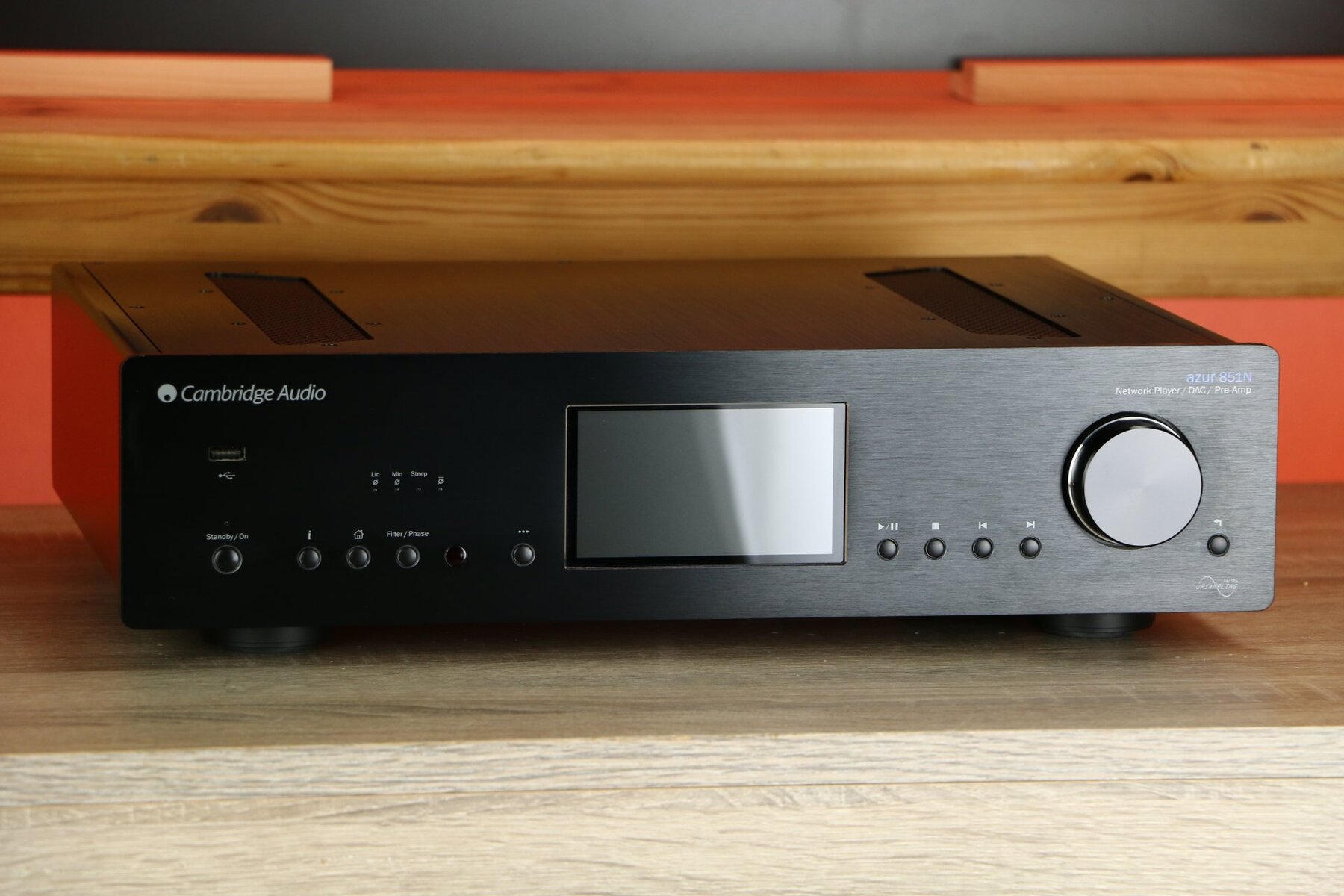
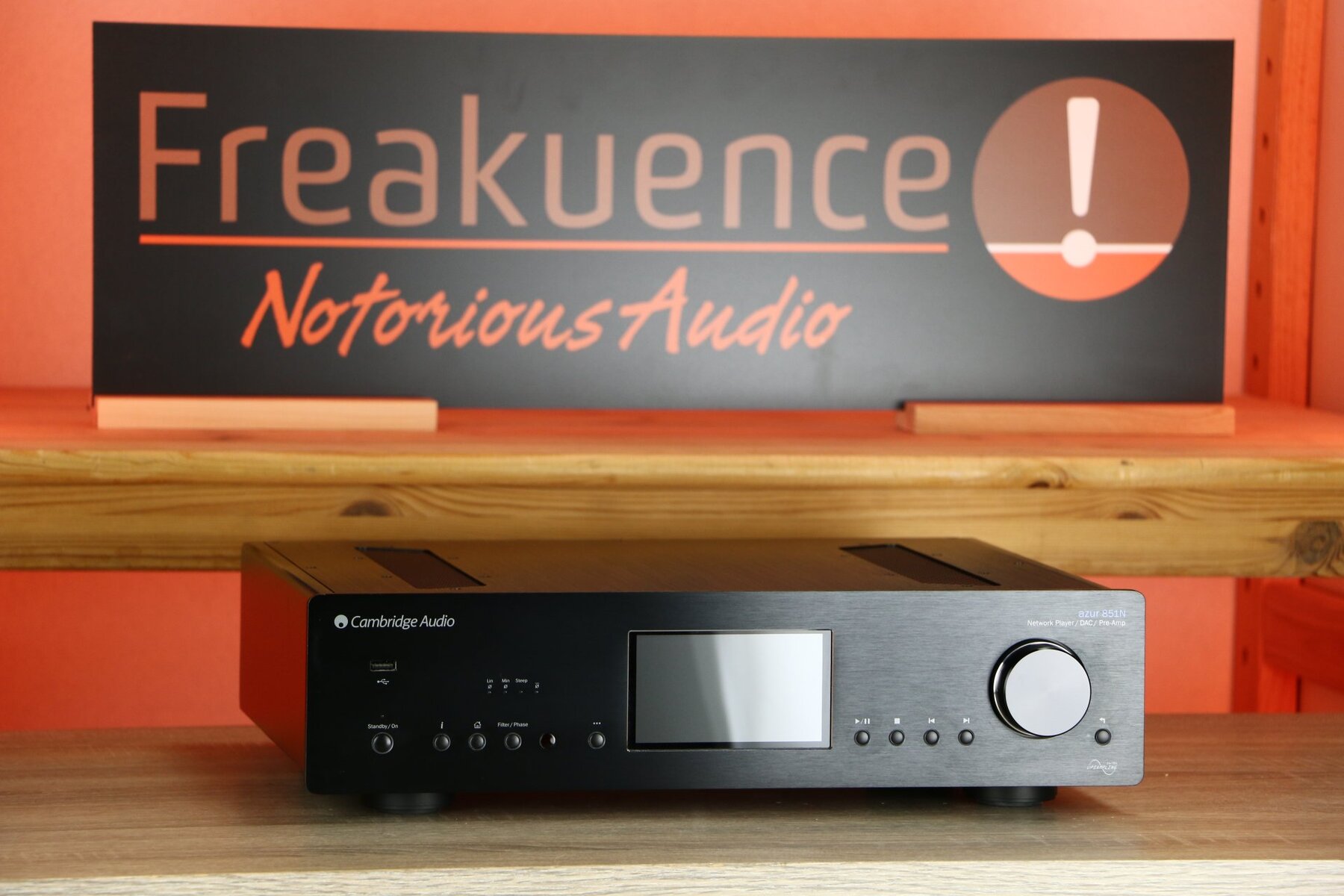
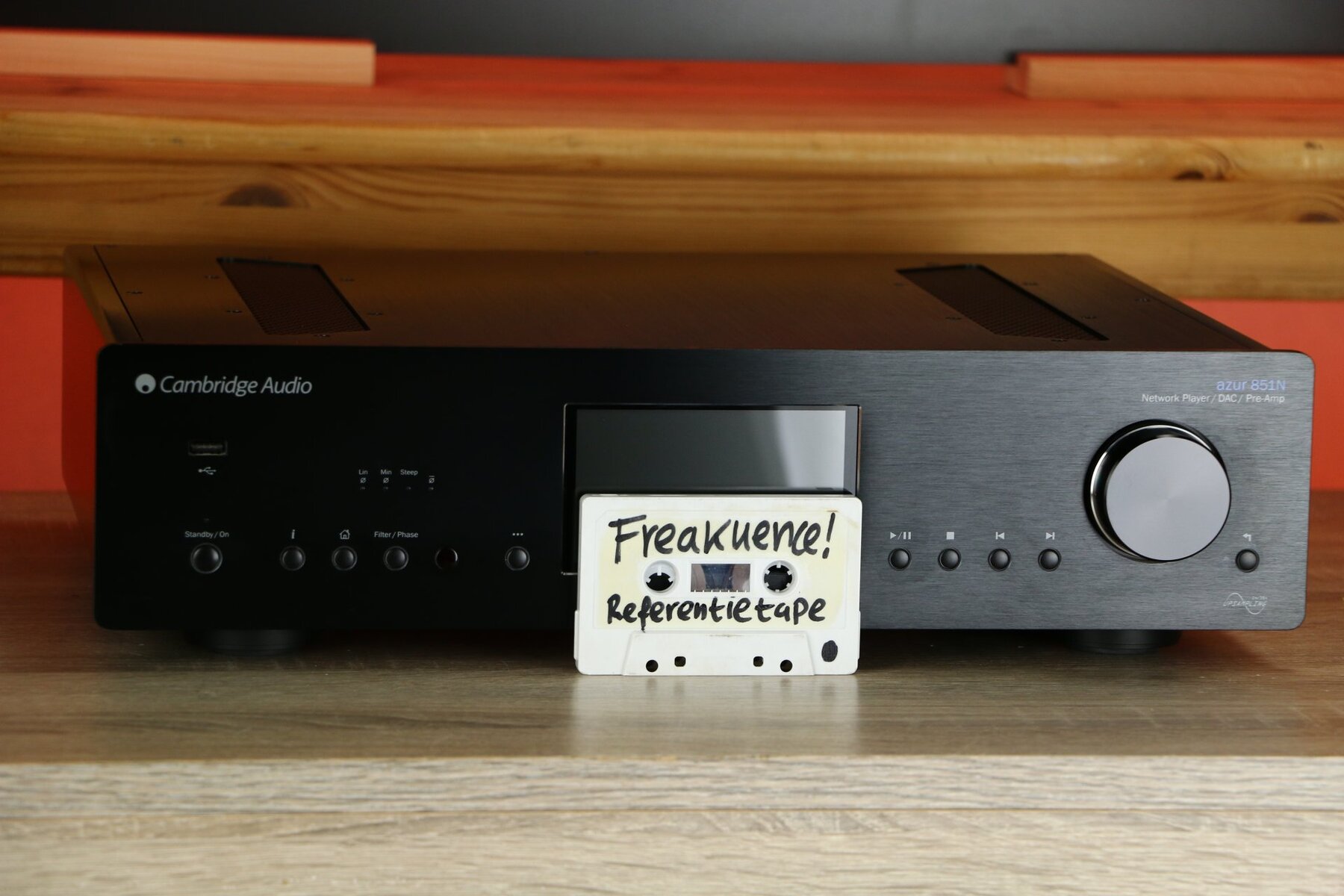
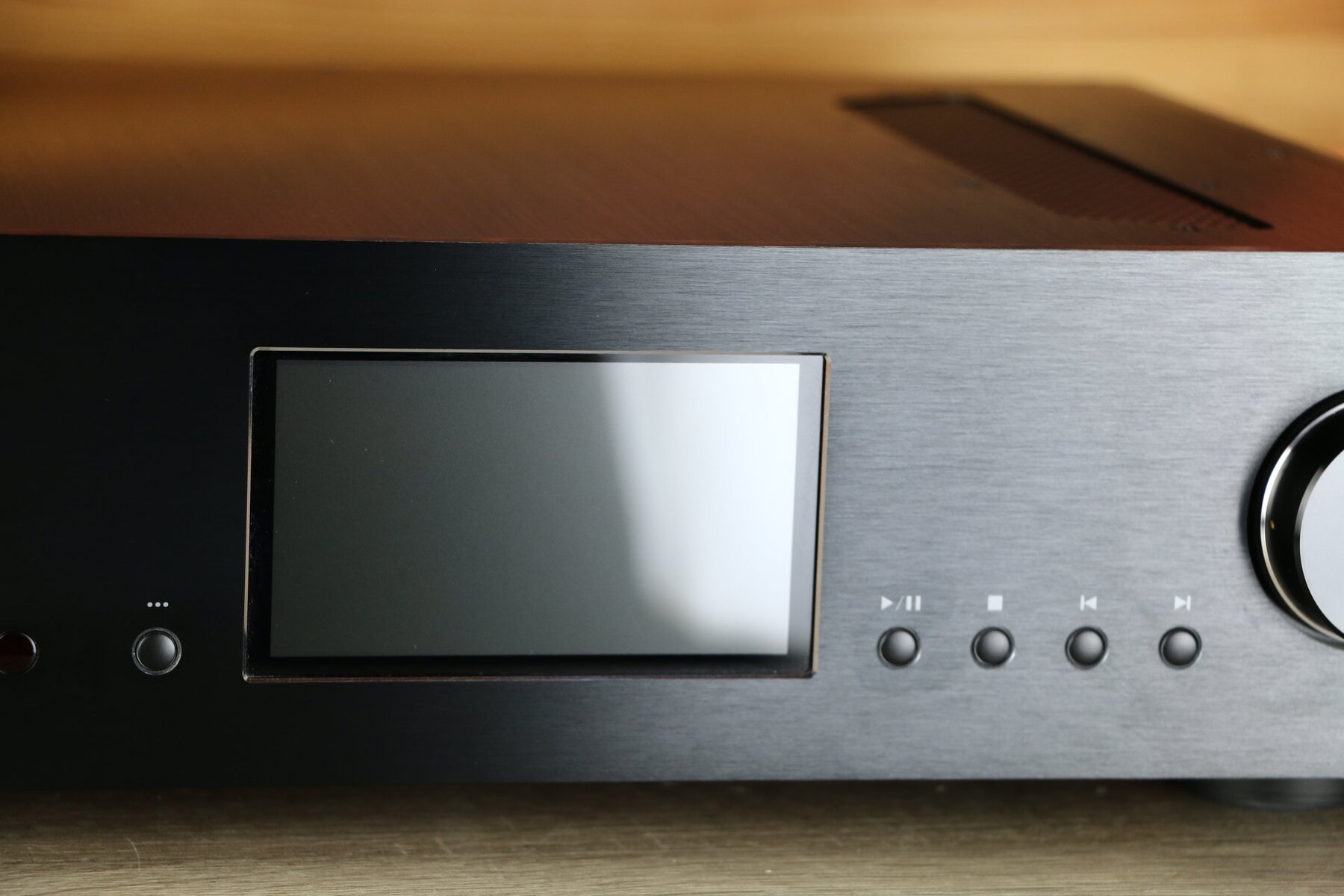
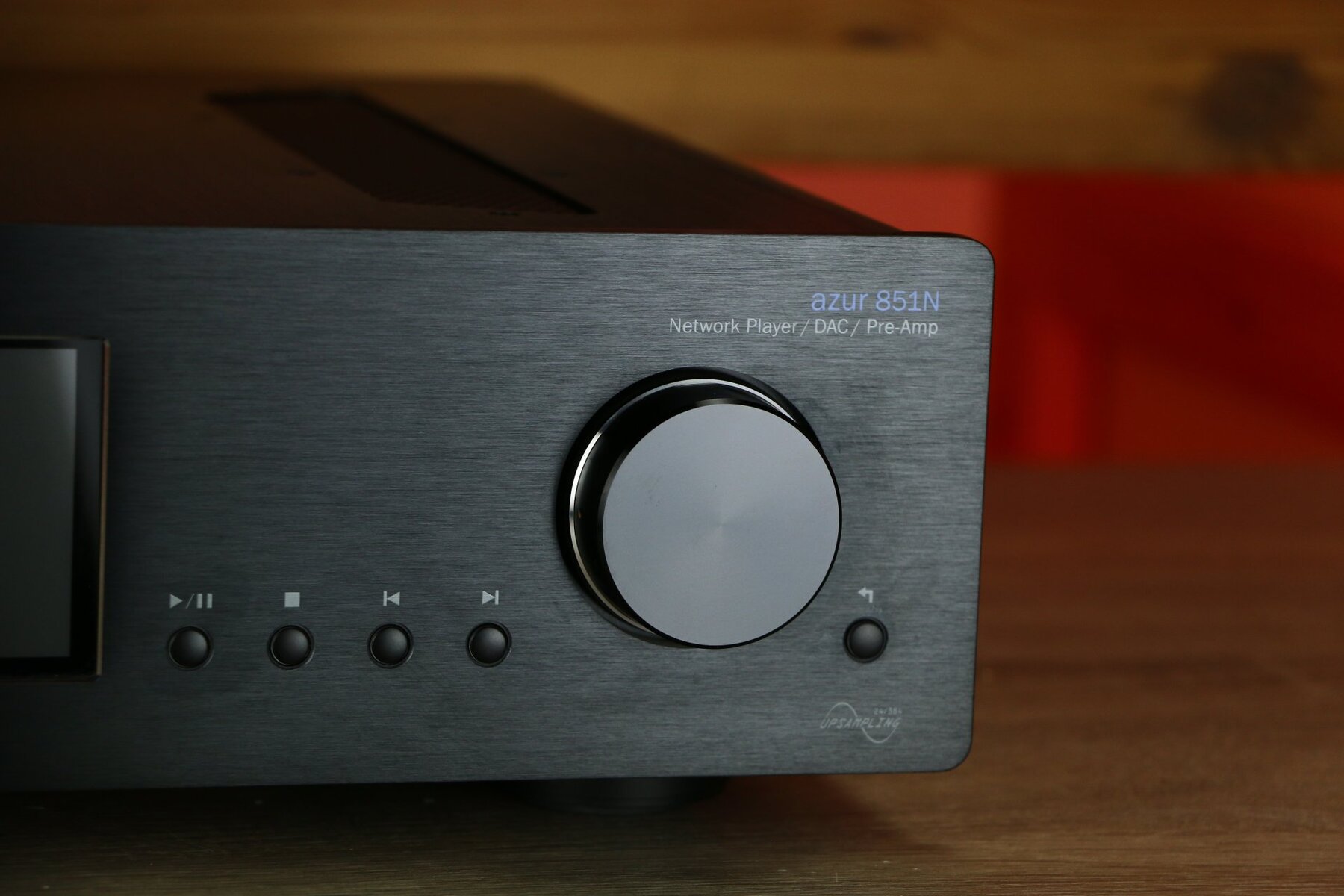
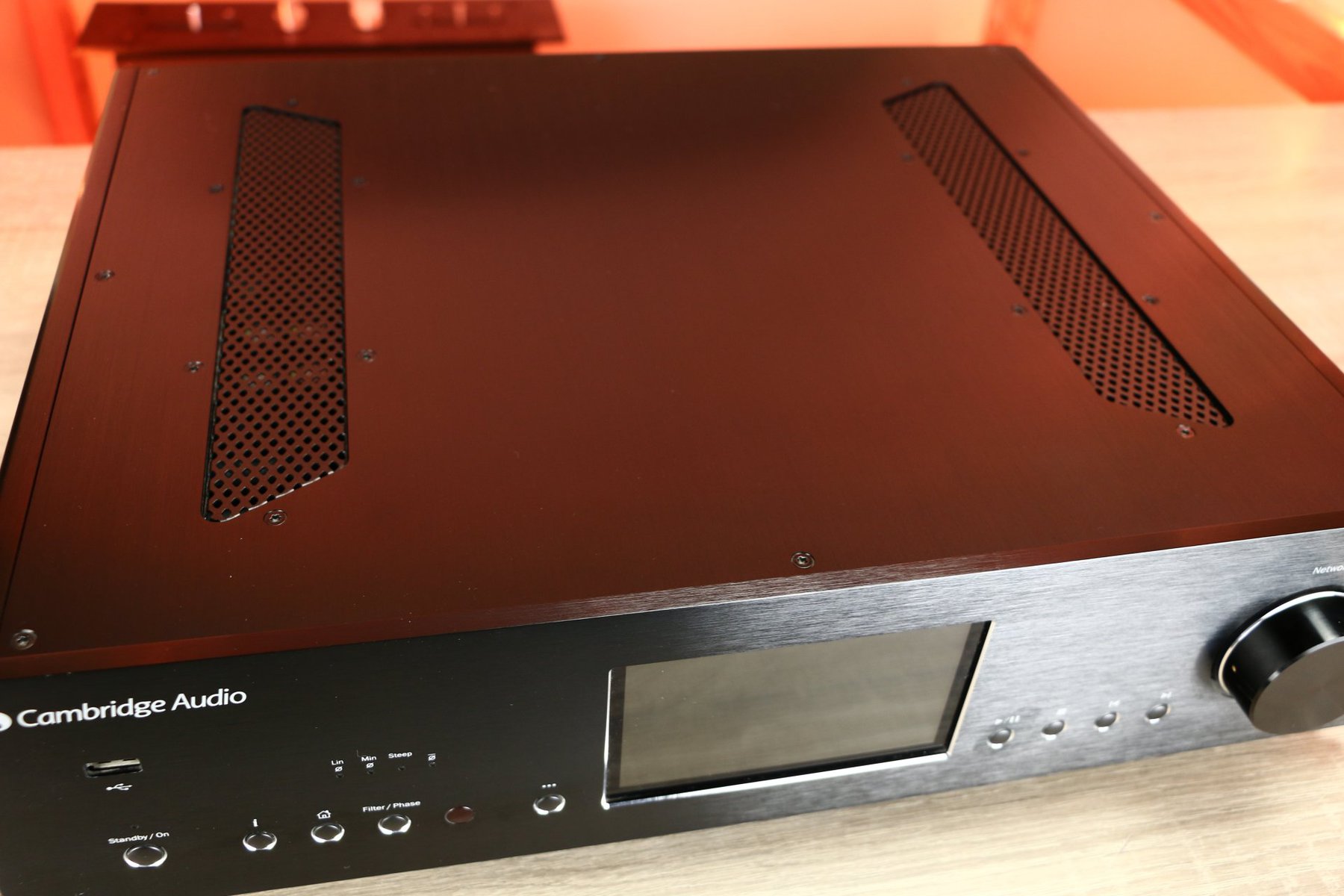
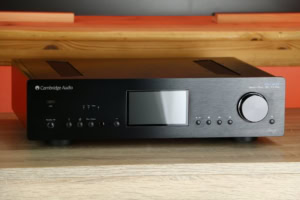
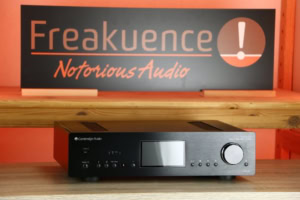
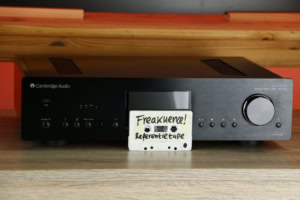
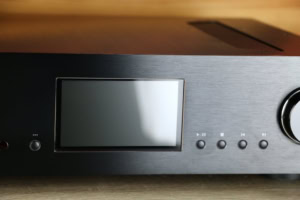
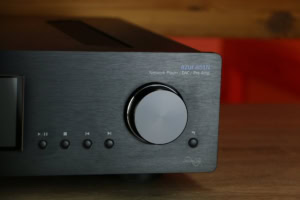
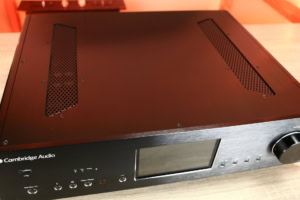
Network player from the fine 851 line. The dac decodes with great conviction. Famous player, but oh well, opponents are bound to be found too. Feel free to stop by for a demo!
Retail price: 1,699.00
Details
No worries! We offer a very good 12-month warranty on used products.
General description
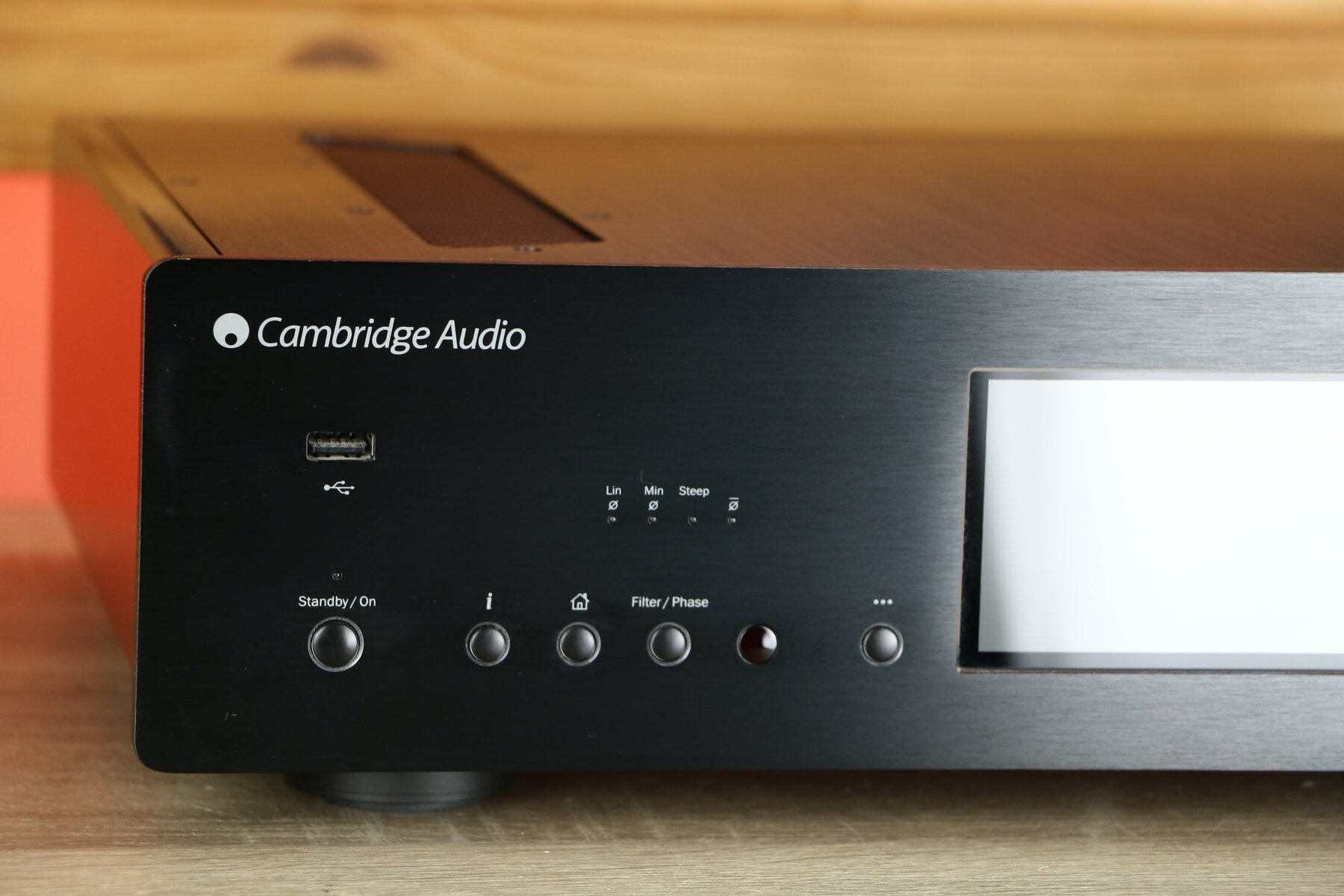
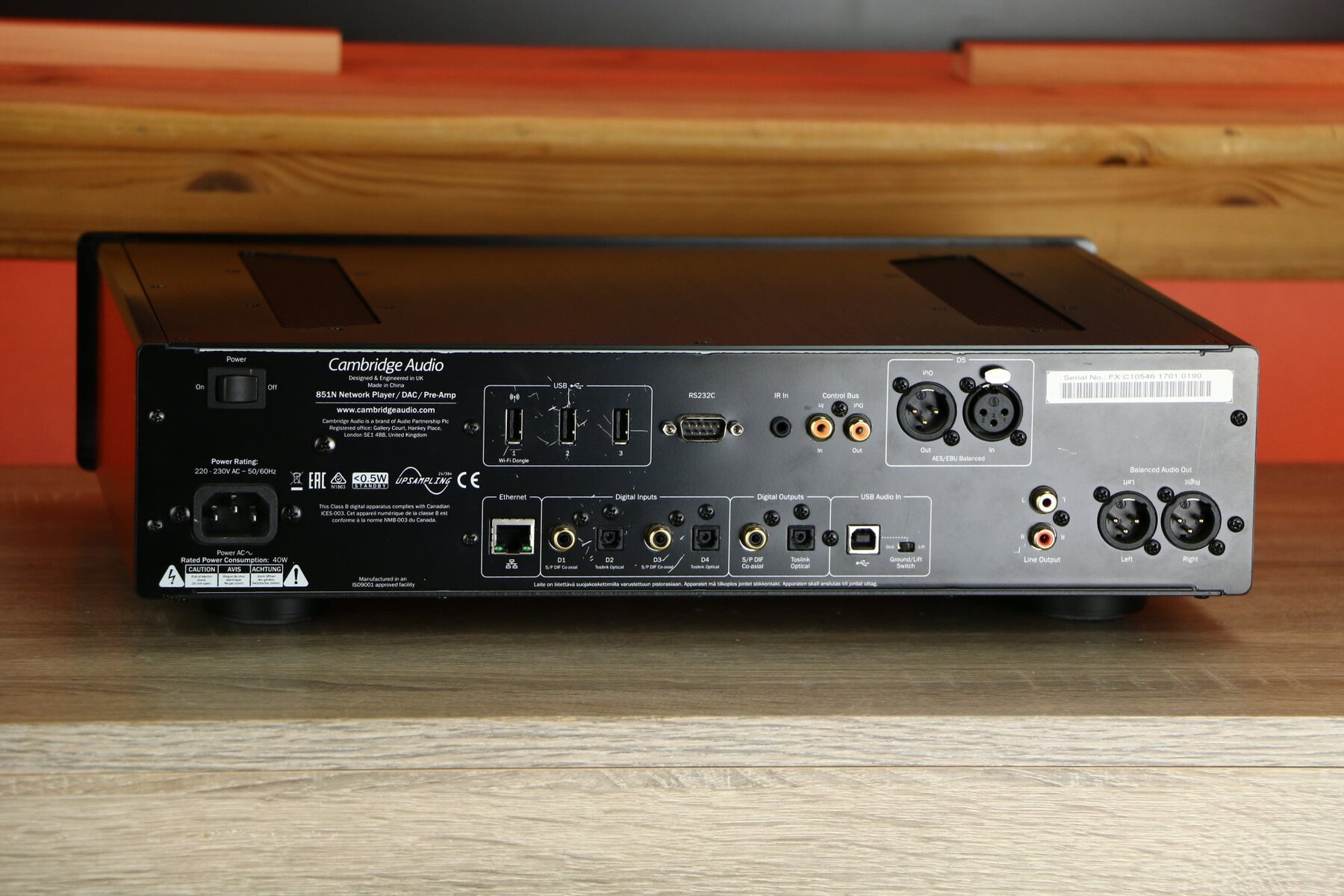
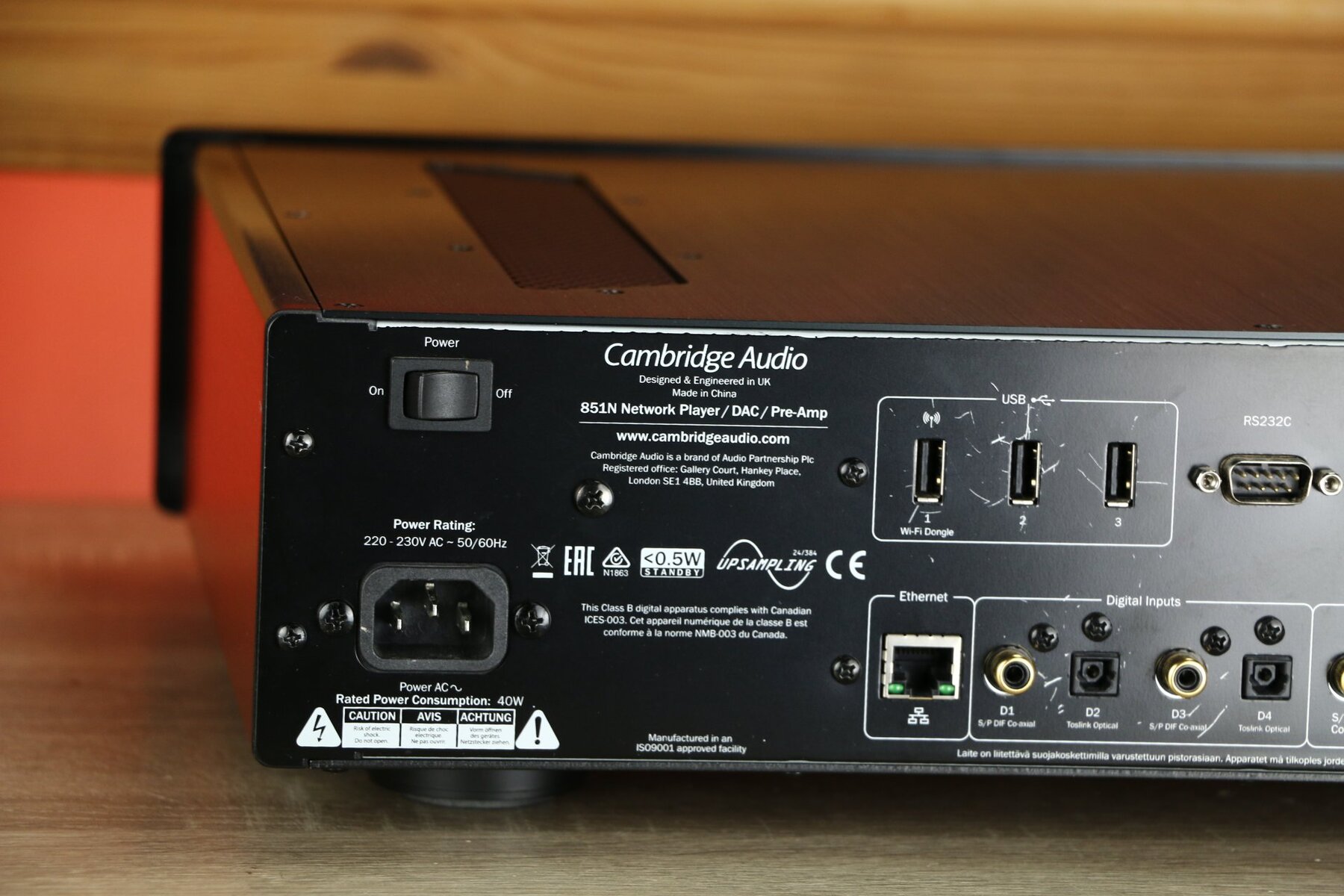
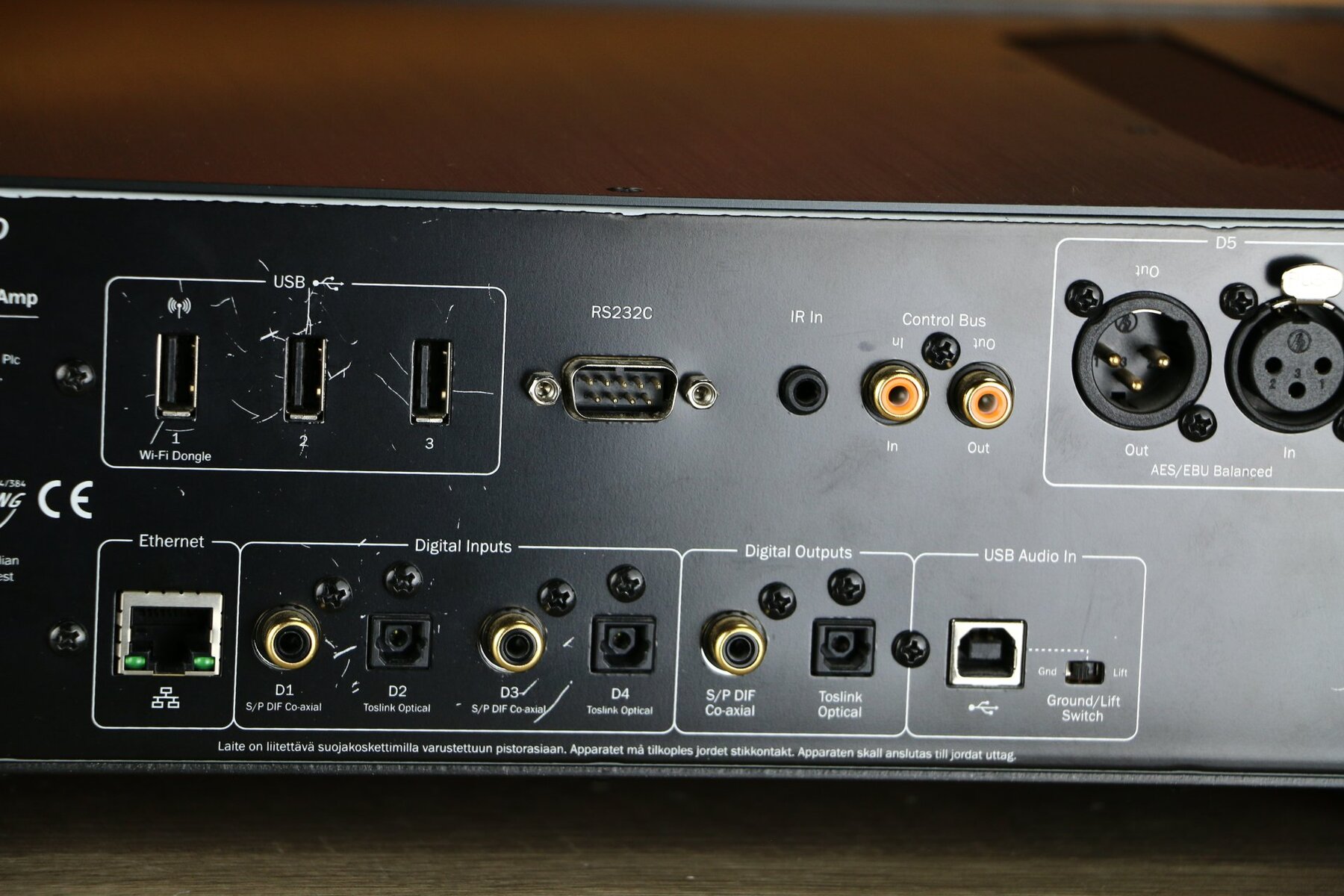
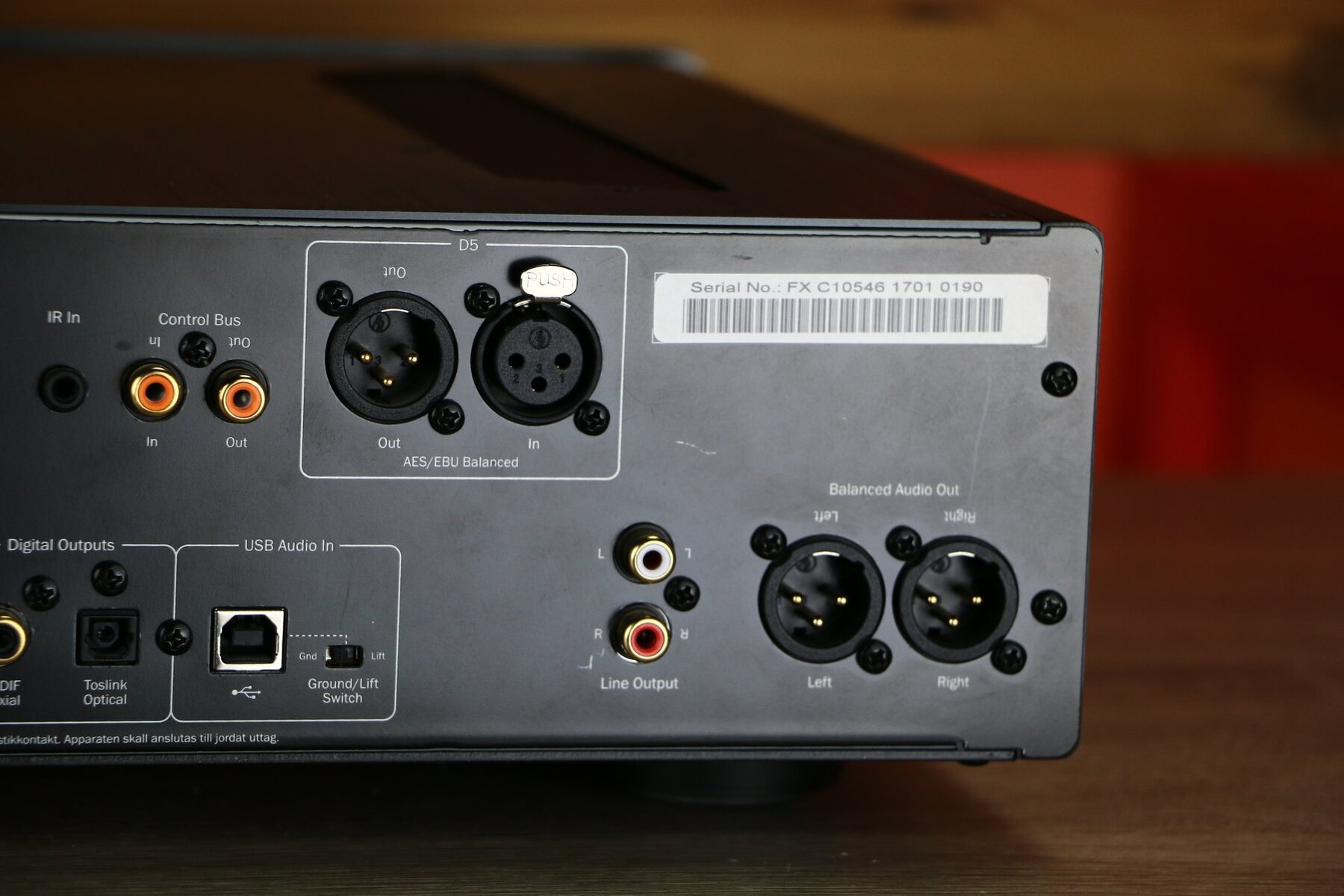
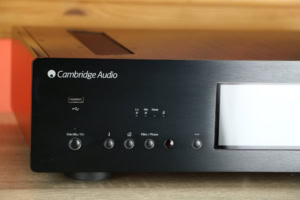
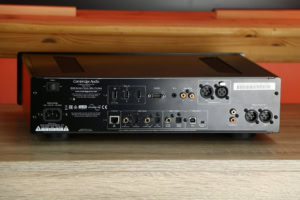
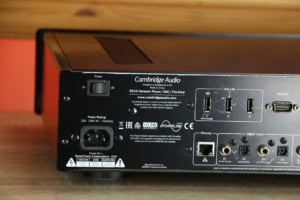
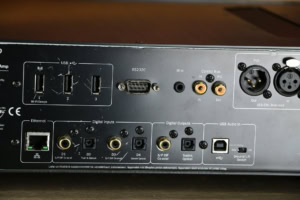
This network player offers extensive connectivity options, including compatibility with UPnP, NAS drives, Tidal, Qobuz, Spotify Connect, Apple AirPlay and DSD. The device supports various audio formats, including ALAC, WAV, FLAC, AIFF, WMA, MP3, AAC, HE AAC, AAC+ and OGG Vorbis. Accurate digital-to-analog conversion is achieved with 2nd-generation ATF2 up-sampling to 24-bit/384kHz and dual Analog Devices AD1955 24-bit DACs. The digital filter offers modes for linear phase, minimum phase and steep filters. Analog outputs include both balanced XLR and unbalanced RCA connections. The unit has a standby power consumption of less than 0.5W and measures 115 x 430 x 360 mm with a weight of 8.1 kg.
General description
We are an official dealer and can provide all other products and designs. We can often bring stuff from many other manufacturers to the shop as well. Feel free to ask! We trade in both new and used.
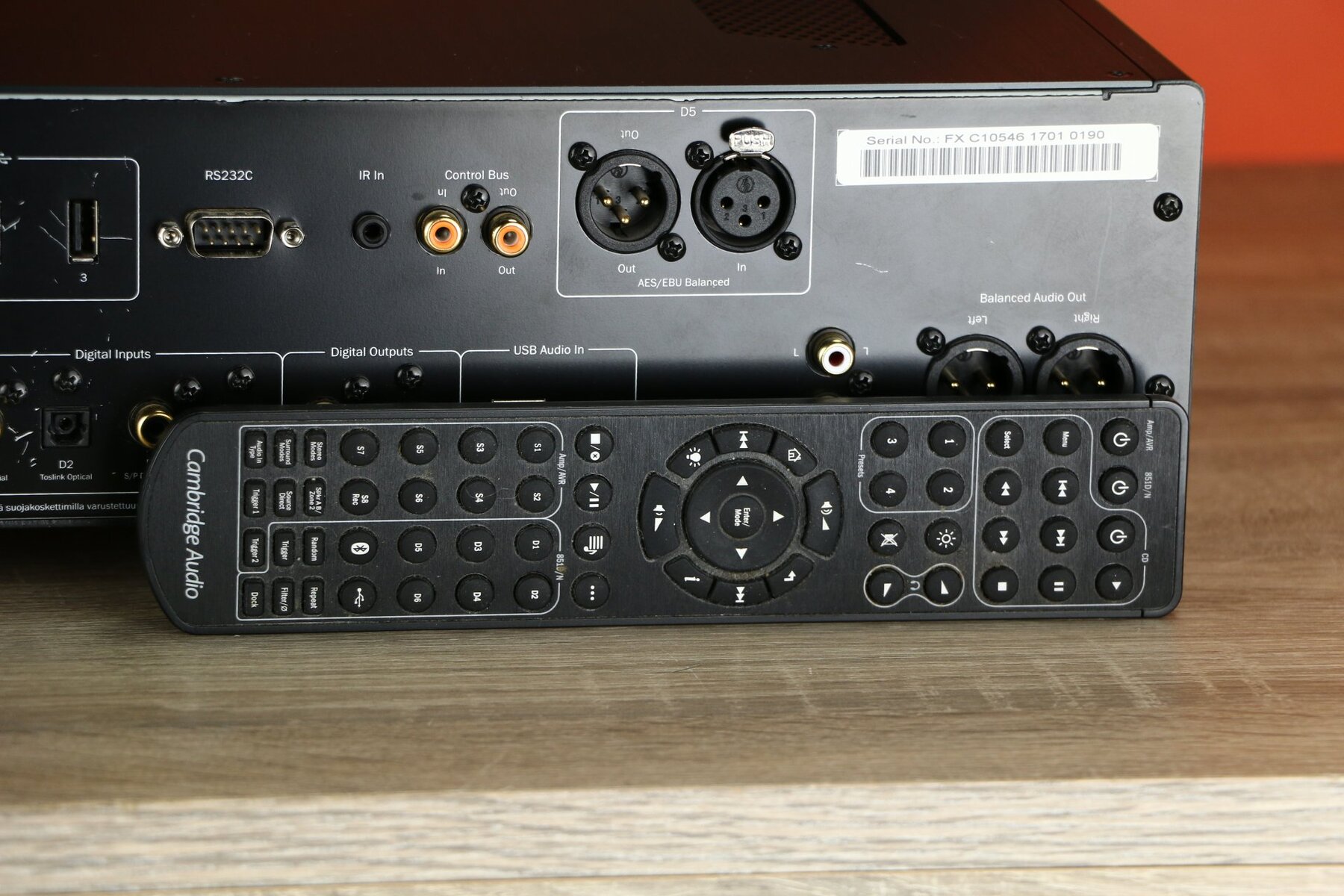
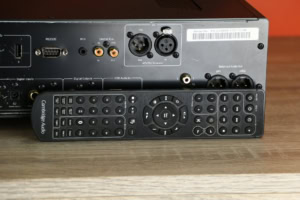
Still prefer to place it out of sight? There is the option of looping the infrared signal from the remote control. You connect an infrared extender to this device, and you can still use the remote control while the device is in a cabinet. Be sure to ensure adequate ventilation/airflow.
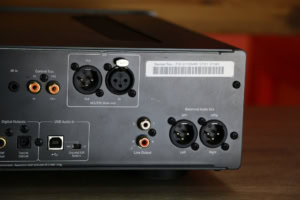
Equipped with balanced capabilities (XLR).
SPDIF is the abbreviation for Sony/Philips Digital Interface Format. (Nice that we, as a small country, have had influence there!) It is a standard for the transmission of a digital signal between, for example, a streamer or CD drive to dac. The cable used makes quite a difference in playback. A standard cable shows mostly a messy and abundant low, and the middle and high sludge into a mess. There are many who dispute this. Be skeptical, but there has to be a time for evaluation.
Optical input, interference-free and therefore proven to be the better option with some dacs, although they are often limiting in bitrate (yet there are dacs that let in up to 24 bit/192 kHz). The cable used is hugely important we can report, we’d be happy to let you assess these differences.
USB ports can transport up to the highest possible bit rate. Although sometimes they are only for connecting an external drive.
An AES/EBU cable can be used for professional transmission of digital audio signals. AES3 was developed in a collaboration between the Audio Engineering Society (AES) and the European Broadcasting Union (EBU). An AES3 signal can carry two channels of PCM audio through various transfer media, including balanced cable, unbalanced cable, and optical fiber cable.
Via the digital output, you can have the streamer part bypass the internal dac, and then connect this digital signal to another dac (analog you can then continue to output as well). Interesting in any dac upgrade, or as a fun dac comparison experiment with audio friends. You could also take the digital signal to another dac in a different zone, this allows you to play the same music in multiple places, while the analog volume of both rooms can be different.
Pull albums straight from the music library of music services or from your own NAS. The streamer does this easily via your phone, tablet or laptop.
The network function allows you to connect it to your home network to send music from your PC, tablet or phone to the device. Depending on the device, there is its own app, use your music service’s app, or grab a streaming app like M-Connect, giving you full-fledged streaming functionality for music services like Spotify, Tidal, Deezer and Qobuz.
Ability to play DSD (Direct Stream Digital). Is not easy to find much true DSD, but once found …. enjoyment blown.
Roon ready! Suitable for Roon, making streaming a real party. Perfect control, and also some tricks to improve playback. Almost always requires a Core, feel free to ask.
Background information
The Cambridge Audio 851N was designed in London by Cambridge Audio’s British engineering team with the aim of maximum musical transparency. It uses high-quality components such as dual Analog Devices AD1955 DACs, an all-metal cabinet and a specially designed toroidal power supply. Internal Leaf source code and ATF2 upsampling technology ensure exceptional detail reproduction.
| Kleur |
|---|
Network player from the fine 851 line. The dac decodes with great conviction. Famous player, but oh well, opponents are bound to be found too. Feel free to stop by for a demo!
1,699.00
No worries! We offer a very good 12-month warranty on used products.
This network player offers extensive connectivity options, including compatibility with UPnP, NAS drives, Tidal, Qobuz, Spotify Connect, Apple AirPlay and DSD. The device supports various audio formats, including ALAC, WAV, FLAC, AIFF, WMA, MP3, AAC, HE AAC, AAC+ and OGG Vorbis. Accurate digital-to-analog conversion is achieved with 2nd-generation ATF2 up-sampling to 24-bit/384kHz and dual Analog Devices AD1955 24-bit DACs. The digital filter offers modes for linear phase, minimum phase and steep filters. Analog outputs include both balanced XLR and unbalanced RCA connections. The unit has a standby power consumption of less than 0.5W and measures 115 x 430 x 360 mm with a weight of 8.1 kg.
We are an official dealer and can provide all other products and designs. We can often bring stuff from many other manufacturers to the shop as well. Feel free to ask! We trade in both new and used.
Still prefer to place it out of sight? There is the option of looping the infrared signal from the remote control. You connect an infrared extender to this device, and you can still use the remote control while the device is in a cabinet. Be sure to ensure adequate ventilation/airflow.
Equipped with balanced capabilities (XLR).
SPDIF is the abbreviation for Sony/Philips Digital Interface Format. (Nice that we, as a small country, have had influence there!) It is a standard for the transmission of a digital signal between, for example, a streamer or CD drive to dac. The cable used makes quite a difference in playback. A standard cable shows mostly a messy and abundant low, and the middle and high sludge into a mess. There are many who dispute this. Be skeptical, but there has to be a time for evaluation.
Optical input, interference-free and therefore proven to be the better option with some dacs, although they are often limiting in bitrate (yet there are dacs that let in up to 24 bit/192 kHz). The cable used is hugely important we can report, we'd be happy to let you assess these differences.
USB ports can transport up to the highest possible bit rate. Although sometimes they are only for connecting an external drive.
An AES/EBU cable can be used for professional transmission of digital audio signals. AES3 was developed in a collaboration between the Audio Engineering Society (AES) and the European Broadcasting Union (EBU). An AES3 signal can carry two channels of PCM audio through various transfer media, including balanced cable, unbalanced cable, and optical fiber cable.
Via the digital output, you can have the streamer part bypass the internal dac, and then connect this digital signal to another dac (analog you can then continue to output as well). Interesting in any dac upgrade, or as a fun dac comparison experiment with audio friends. You could also take the digital signal to another dac in a different zone, this allows you to play the same music in multiple places, while the analog volume of both rooms can be different.
Pull albums straight from the music library of music services or from your own NAS. The streamer does this easily via your phone, tablet or laptop.
The network function allows you to connect it to your home network to send music from your PC, tablet or phone to the device. Depending on the device, there is its own app, use your music service's app, or grab a streaming app like M-Connect, giving you full-fledged streaming functionality for music services like Spotify, Tidal, Deezer and Qobuz.
Ability to play DSD (Direct Stream Digital). Is not easy to find much true DSD, but once found .... enjoyment blown.
Roon ready! Suitable for Roon, making streaming a real party. Perfect control, and also some tricks to improve playback. Almost always requires a Core, feel free to ask.
The Cambridge Audio 851N was designed in London by Cambridge Audio's British engineering team with the aim of maximum musical transparency. It uses high-quality components such as dual Analog Devices AD1955 DACs, an all-metal cabinet and a specially designed toroidal power supply. Internal Leaf source code and ATF2 upsampling technology ensure exceptional detail reproduction.

Found you!
We versturen wereldwijd!
Bestel je via onze webshop dan geldt voor de onderstaande landen een kosteloze verzending:
België, Bosnië en Herzegovina, Bulgarije, Denemarken, Duitsland, Estland, Finland, Frankrijk, Griekenland, Hongarije, Ierland, IJsland, Italië, Kroatië, Letland, Liechtenstein, Litouwen, Luxemburg, Monaco, Nederland, Noorwegen, Oostenrijk, Polen, Portugal, Roemenië, Servië, Slovenië, Slowakije, Spanje, Tsjechië, Verenigd Koninkrijk (UK), Zweden en Zwitserland.
Voor verzendingen naar andere landen nemen we contact op met je. Je kunt je order alvast plaatsen zonder af te rekenen, dan ben je zeker van het product. Daarna kun je bepalen of de verzendkosten acceptabel zijn voor je. Zo nee, dan annuleren we de order. Eerst een berichtje sturen om de kosten op te vragen kan natuurlijk ook.
We zijn bedreven in het goed verpakken van verzendingen dus geen zorgen. Alle verzendingen zijn voor de volle 100% verzekerd.
Your daily scroll!
Producten
Nieuwe en gebruikte gear. Check reviews, video’s, merkhistorie en meer.
Freakboard!
Altijd iets te ontdekken.
Live-shows, playlists, setups, sessies, tips en onzin.
Open het Freakboard!
Luisterruimtes
Ze sleuren je andere werelden in. De tijd vervaagt. Bekijk ze nu, ervaar ze later.
Freaknews!
Ga naar het Freakboard! en schrijf je in voor onze nieuwsbrief. No Fake News, Audio Only!
Merkenpagina
Gooi een munt in de jukebox en ontdek onze merken.
Freakcons!
Deze audio-iconen zijn overal op de site te vinden. Klik en ontdek de audiohistorie.
Informatiepagina
Voor wie echt alles wil weten over Freakuence!





Freaksession!
Found you!
We ship worldwide!
If you order through our webshop, free shipping applies to the countries listed below:
Belgium, Bosnia and Herzegovina, Bulgaria, Denmark, Germany, Estonia, Finland, France, Greece, Hungary, Ireland, Iceland, Italy, Croatia, Latvia, Liechtenstein, Lithuania, Luxembourg, Monaco, Netherlands, Norway, Austria, Poland, Portugal, Romania, Serbia, Slovenia, Slovakia, Spain, Czech Republic, United Kingdom (UK), Sweden and Switzerland.
For shipments to other countries, we will contact you. You can place your order in advance without checkout, then you can be sure of the product. Then you can decide if the shipping costs are acceptable to you. If not, we will cancel the order. You can also send us a message first to inquire about the cost.
We are adept at packing shipments properly so no worries. All shipments are 100% insured.
Your daily scroll!
Products
New and used gear. Check reviews, videos, brand history and more.
Freakboard!
Always something to discover.
Live shows, playlists, setups, sessions, tips and nonsense.
Open the Freakboard!
Listening rooms
They drag you into other worlds. Time blurs. See them now, experience them later.
Freaknews!
Go to the Freakboard! and sign up for our newsletter. No Fake News, Audio Only!
Brands page
Toss a coin in the jukebox and discover our brands.
Freakcons!
These audio icons can be found throughout the site. Click and discover the audio history.
Information page
For those who really want to know everything about Freakuence!
Freaksession!